
AN-24 aircraft skids off runway in Donetsk
14th February 2013

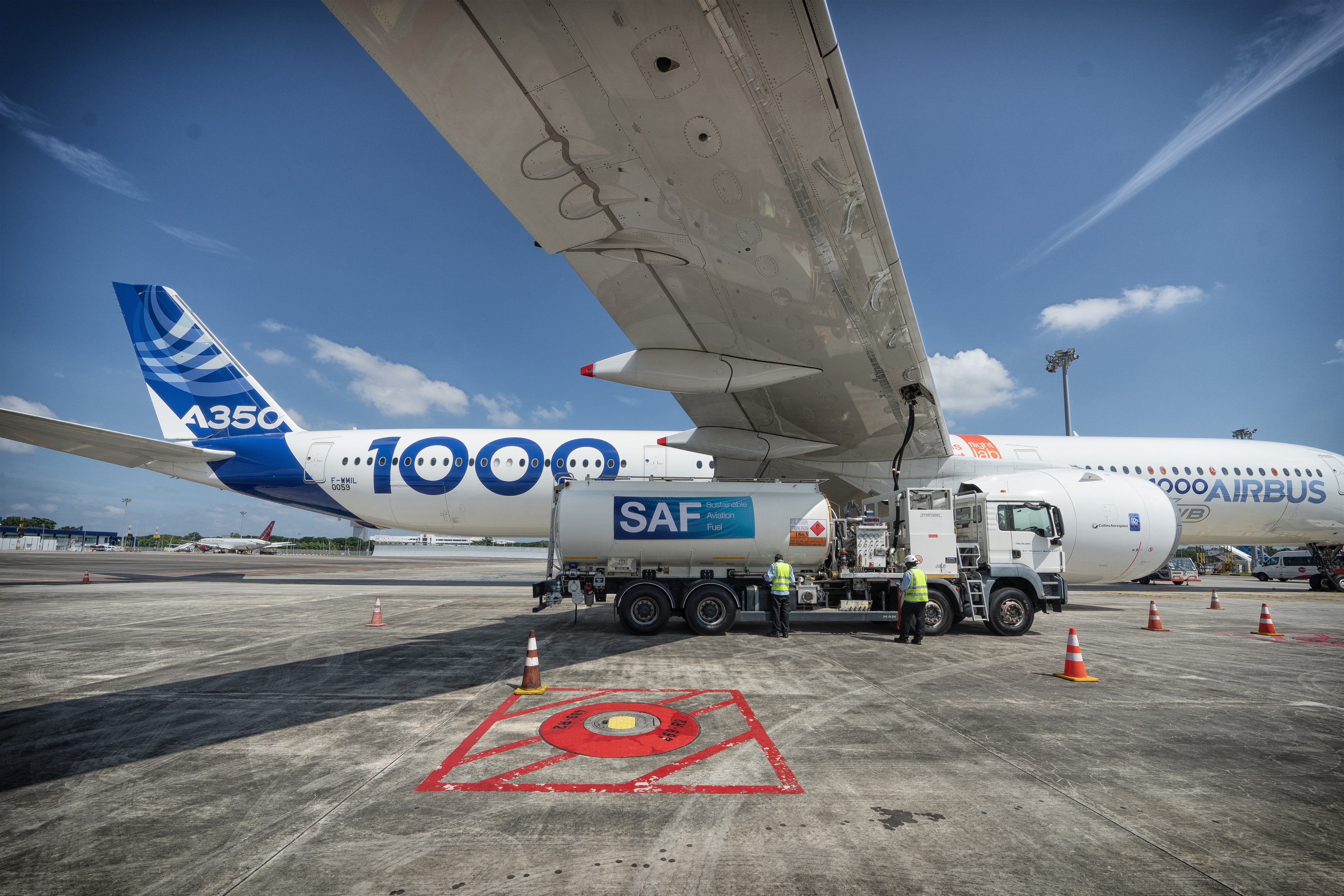
Airbus has delayed plans to fly a new hydrogen powered aircraft, citing delayed developments in hydrogen technology.
The aircraft manufacturer had initially aimed to meet a number of technological and testing milestones, aiming to bring to market a hydrogen-powered commercial aircraft by 2035. In September 2020, Airbus unveiled three hydrogen-fuelled concept aircraft baptised ZEROe as its approach to decarbonise.
While the manufacturer refrained to comment on a timeline of its first hydrogen aircraft, French labour union Force Ouvriere said that staff had been informed that the technology was running up to ten years behind the pace needed to support the original 2035 target.
A spokesperson for Airbus confirmed to Airline Economics that recent developments indicate that progress on key enablers - in particular the availability of hydrogen produced - is “slower than previously anticipated”.
Despite this, Airbus stated that the company is committed to its goal of bringing a commercially viable, hydrogen-powered aircraft to market.
Airbus described developing a hydrogen ecosystem - including infrastructure, production, distribution and regulatory frameworks – as a “huge challenge” requiring global collaboration and investment.
“This commitment aligns with our ambition to lead aviation decarbonisation and to support the industry's long-term sustainability goals, which remains unchanged,” the spokesperson stated.
Despite this delay in hydrogen technology entering the market, on February 4, 2025, an updated road map to achieving decarbonisation stated that hydrogen-powered planes will be responsible for just 6% of net emissions reductions by 2050, down from 20% predicted in 2021.
Airbus emphasised that sustainable aviation fuel (SAF) usage remains complimentary to hydrogen technology in achieving a goal of reaching decarbonisation by 2050.