

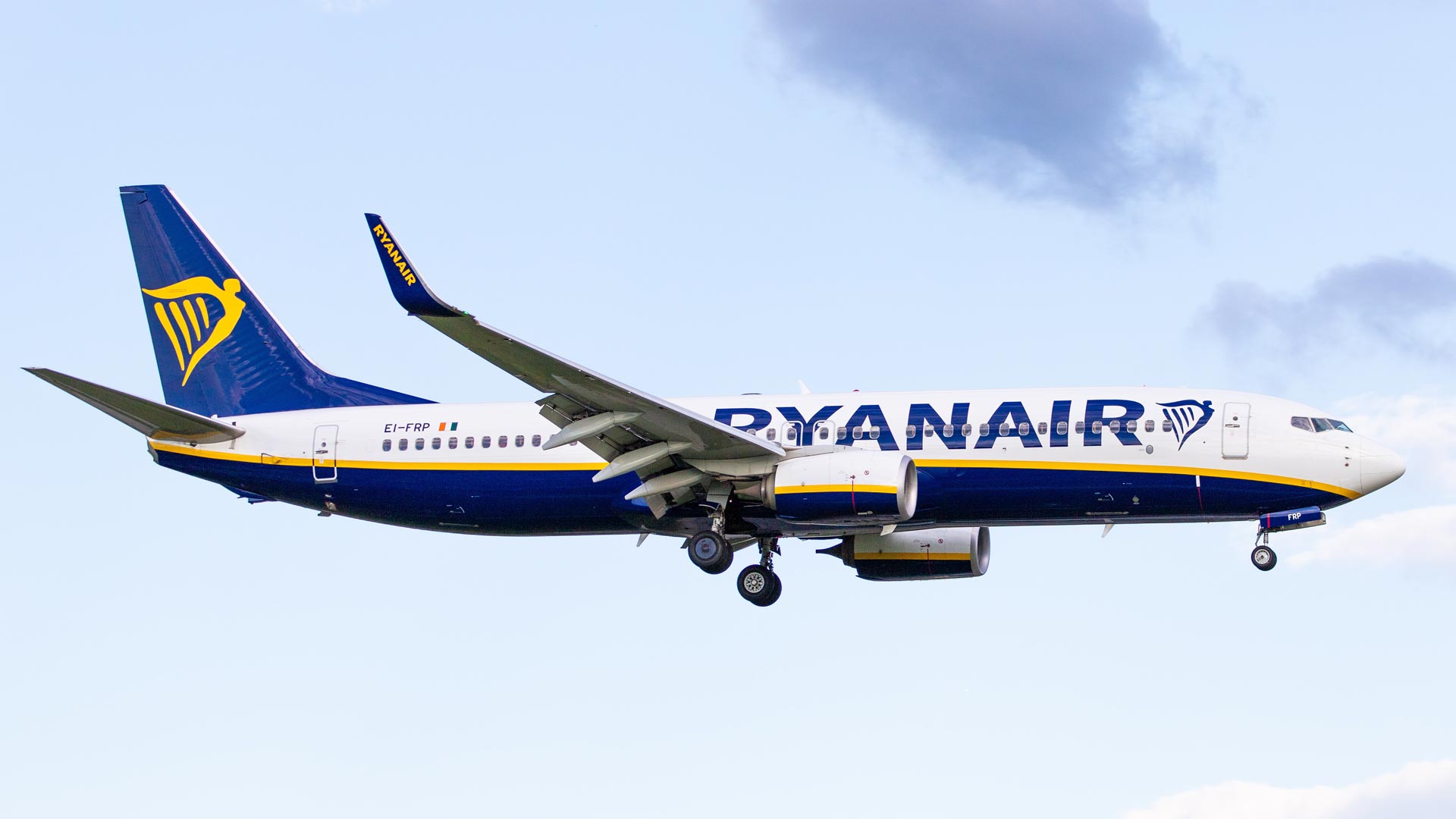
Ryanair's full fiscal year profits after tax dipped 16% to €1.6bn, despite passenger numbers climbing 9% to a record 200.2 million.
Ryanair group CEO Michael O'Leary said the 7% decline in fares had driven the surge in passenger numbers, though also contributed to the drop in profits. The company's load factor was flat at 94% for the fiscal period. The company said the strong passenger numbers come “despite repeated Boeing delivery delays”.
The airline took delivery of 30 737-8200 ‘gamechangers’ during the full year, with its fleet totalling 181 of the aircraft type, with 618 aircraft in its fleet in total.
“This will restrict our FY26 growth to just 3% (206 million passengers)," the airline read in its report. “We are working closely with Boeing to accelerate deliveries and are increasingly confident that the remaining 29 gamechangers in our 210 orderbook will deliver ahead of summer 2026, enabling us to catch up delayed traffic growth into FY27.”
O'Leary said he is pleased with Boeing's recovery, noting the improved delivery rates and overall quality of the aircraft coming out of its assembly lines.
In addition, with Boeing expecting certification for the MAX 10 to come later this year, Ryanair said it is continuing to plan for the delivery of its first 15 MAX 10s in spring 2027, with 300 of the aircraft due by March 2034.
During the year, Ryanair accumulated €14bn in revenues, marking a 4% increase on the previous year. However, the company's ancillary revenues were up 10% to €4.7bn. Operating costs were up 9% to €12.4bn, which were in line with customer expectations. Additionally, the company said its cost per passenger was flat as the “cost gap widens over competitor EU airlines”.
The company paid €0.40 per share dividends during the fiscal year and declared a final dividend of €0.227 per share due in September.
Ryanair said it aims to pay down maturing bond debt over the next year from its own internal cash resources — including an €850 million bond in September 2025 and €1.2bn in May 2026 — while continuing to invest in aircraft and engine from internal resources. The company said it “remains committed to shareholder returns” and its board has approved a follow-on €750 million share buyback. The programme will run over the next six to 12 months.
“That is the key strength of Ryanair,” said O'Leary during the company's earnings call. “We are paying down debt to effectively zero over the next two years, while most of our competitors remain exposed to expensive long-term financing and rising aircraft lease costs.”
The airline said summer bookings for 2026 are strong, with peak fares trending “modestly” ahead of the prior year. The first quarter of the fiscal year will also benefit from Easter holidays landing in that appeared as opposed to the March ending quarter in 2024.
“With limited visibility, we currently expect Q2 pricing to recover some of the 7% decline we experienced in past year Q2,” Ryanair read in its report. “The final first half outcome is, however, heavily dependent on close-in bookings and peak summer yields.”
The airline added that it expects to recover “most, but not all” of the 7% average fare decline to €46 per passenger in this fiscal year, which “should lead to reasonable net profit growth” in the full fiscal year. However, Ryanair cautioned: “It is far too early to provide any meaningful guidance.” The company noted the various headwinds — from geopolitical tensions to tariff wars and air traffic control issues, amongst other things — leave the airline “heavily exposed” to any adverse developments.
As of the end of the fiscal year, the airline had €4bn in gross cash. O'Leary said this gross cash was boosted by delayed aircraft deliveries, pushing the required capex into this fiscal year. Net cash — after capex and share buyback reductions — was €1.3bn.