
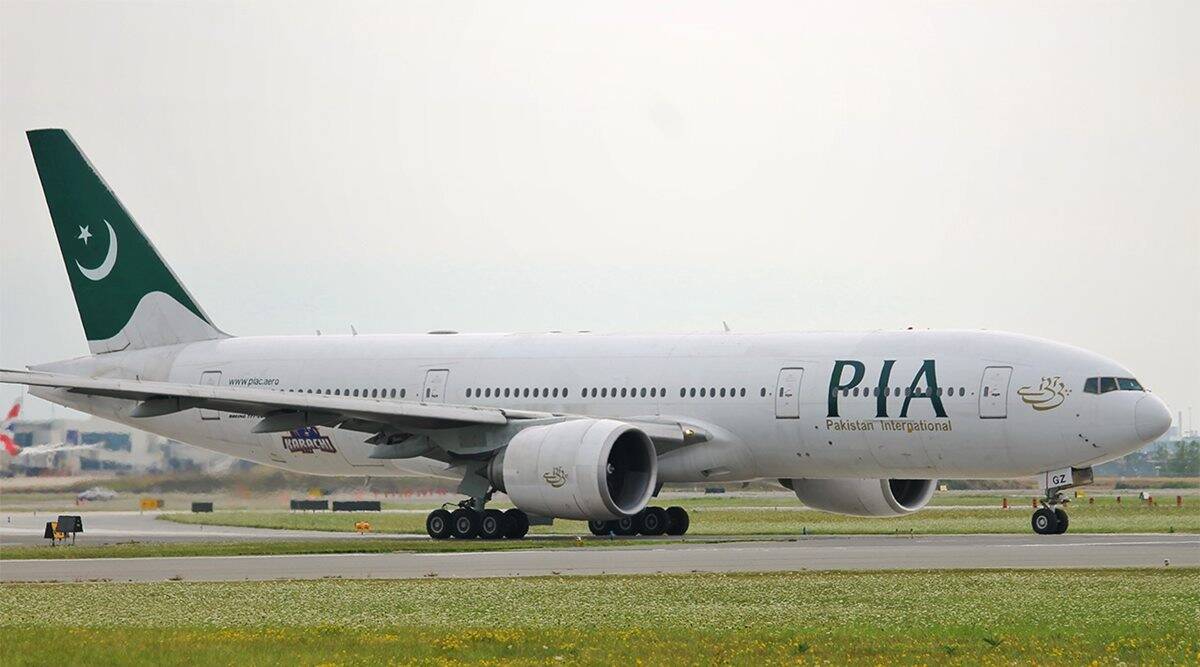
Pakistan International Airlines (PIA) has recorded its first annual profit in over two decades, as the Pakistani government prepares for a renewed push to privatise the flag carrier.
The profit was disclosed at a company board meeting, with the country’s Defence and Aviation Minister, Khawaja Muhammad Asif, confirming the news in a social media post.
“PIACL board has approved its accounts FY 2024, and after 21 years, it has achieved an operating profit of PKR 9.3bn & net profit of PKR 26.2bn (after deferred tax adjustment)," wrote the minister.
The airline also confirmed these results.
The minister also acknowledged that many people in Pakistan may have “lost hope” in the airline but reaffirmed that the government of Pakistan is taking steps to revive the airline, through a number of comprehensive reforms.
“This includes cost and workforce rationalization, route optimization, financial discipline, and balance sheet restructuring. PIA is poised to capitalise on financial performance through a privatisation process,” he said.
The Privatisation Commission of Pakistan officially gave the go-ahead for a second attempt to sell (or transfer ownership of) PIA to private investors last month. This follows an attempt to privatise the airline in October of last year, when a sole bidder offered below the minimum expectations of fixed by the privatisation commission.
Shehbaz Sharif, Prime Minister of Pakistan, noted the airline’s profit calling it a “major turnaround” after decades of losses. “The skies ahead look brighter,” Sharif added.
This annual profit comes of the back of a turbulent few years for the airline, which has relied on government bailouts after reporting struggling financials.
In April 2023, PIA requested additional funds worth $157.1 million from Pakistani government for payment of interests and covering operational costs. Later that year, the airline had its bank accounts frozen due to unpaid taxes to the tune of $9.8 million.
Most recently, PIA has resumed operations to Europe following a four-year suspension imposed by the European Commission and European Aviation Safety Agency (EASA).