

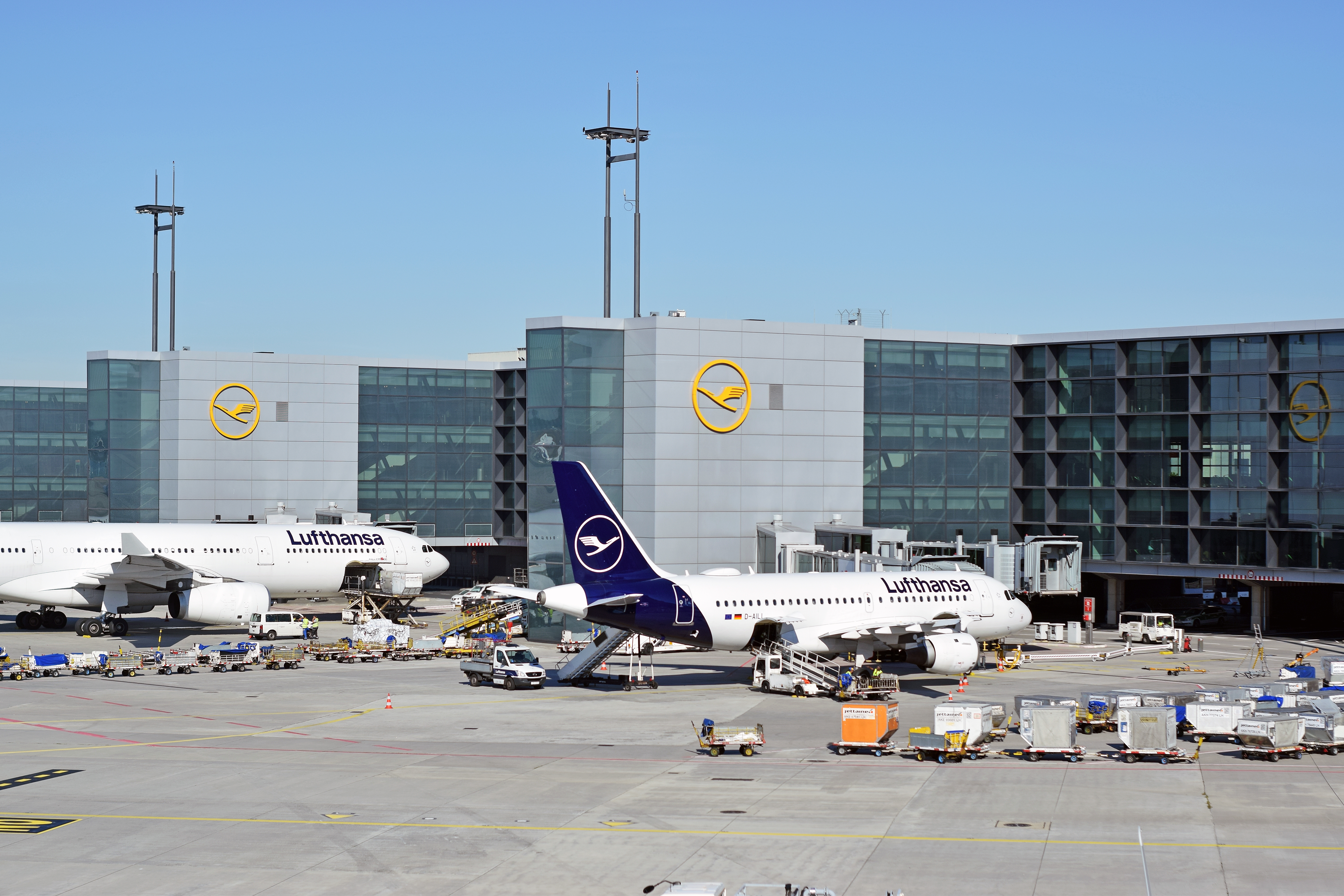
The Lufthansa Group has stuck to its financial guidance for the year ahead, with the company noting that it is “optimistic” about the upcoming summer season, despite geopolitical uncertainties.
The airline group stated that macroeconomic uncertainties - in particular relating to trade tensions between the US, the EU and other regions - are making it difficult to forecast the years coming quarters accurately. More specifically looking at the third quarter of the year, Lufthansa said that visibility “remains limited”.
In response to the current global economic and political instabilities, the company has set up a task force to closely monitor current developments and, if necessary, respond quickly and flexibly to any weakening demand, for example by adjusting capacity.
Despite these concerns, the Lufthansa Group noted that demand for travel to the US was continuing to rise. In March, the airline group carried around 25% more passengers from the US to Europe than a year prior. Demand for long-haul travel also remains steady, with this also applying to flights to and from North America, where ticket sales for the second quarter are up on the previous year.
“Global demand for air travel continues to grow. Despite all the geopolitical uncertainties, we therefore remain on course for growth, are optimistic about the summer, and are sticking to our positive outlook for 2025,” said Carsten Spohr, chairman of the executive board and CEO of the Lufthansa Group. “Demand continues to be robust for the second quarter. I am pleased that our guests are benefiting from significantly improved punctuality and stability, particularly with our core brand Lufthansa.”
During the first quarter of the year the airline group increased revenues by 10% in comparison to the same period of the year prior. Revenue totalled €8.1bn ($9.2bn) for the quarter.
Revenue from the group’s passenger airlines rose by 6% during the three-month period to €5.9bn ($6.7bn), this is up from €5.6bn ($6.3bn) that was recorded a year prior. However, the operating result of Lufthansa Group passenger airlines saw a decline, with an adjusted EBIT loss of €934 million ($1.06bn) recorded compared to the previous year, where an adjusted EBIT loss of €918 million ($1.04bn) was posted.
The company recorded a €885 million ($1bn) net loss, an increase in comparison to the first quarter of 2024, when the group’s net loss was €734 million ($835.9 million).
Yields rose by 0.4% on average, when compared to the same period of the previous year. The company said that this was driven by “consistently high demand”. Unit revenues (RASK) were 2.7% higher than in 2024.
Unit costs (CASK) excluding fuel and emissions expenses rose by 3.1% compared with the same quarter last year due to general cost increases. The main cost drivers were fee increases at system partners such as air traffic control and airports, as well as high-cost inflation for maintenance services.
The group also acknowledged that the season shift of the usually strong Easter travel season, which fell in the first quarter last year, also had an impact on earnings development. “Without this shift, the passenger airlines would have significantly improved their earnings compared with the previous year,” the company said in its results.
On an operational front, the group's airlines increased capacity by nearly 5% on the year prior, while load factors edged down to 78.7%. Operational performance improved, with Lufthansa recording its best start to the year in a decade. At Frankfurt, 20,000 fewer hotel stays were required for disrupted passengers, and direct compensation payments fell 52% to €47 million ($53.5 million) due to greater stability.