

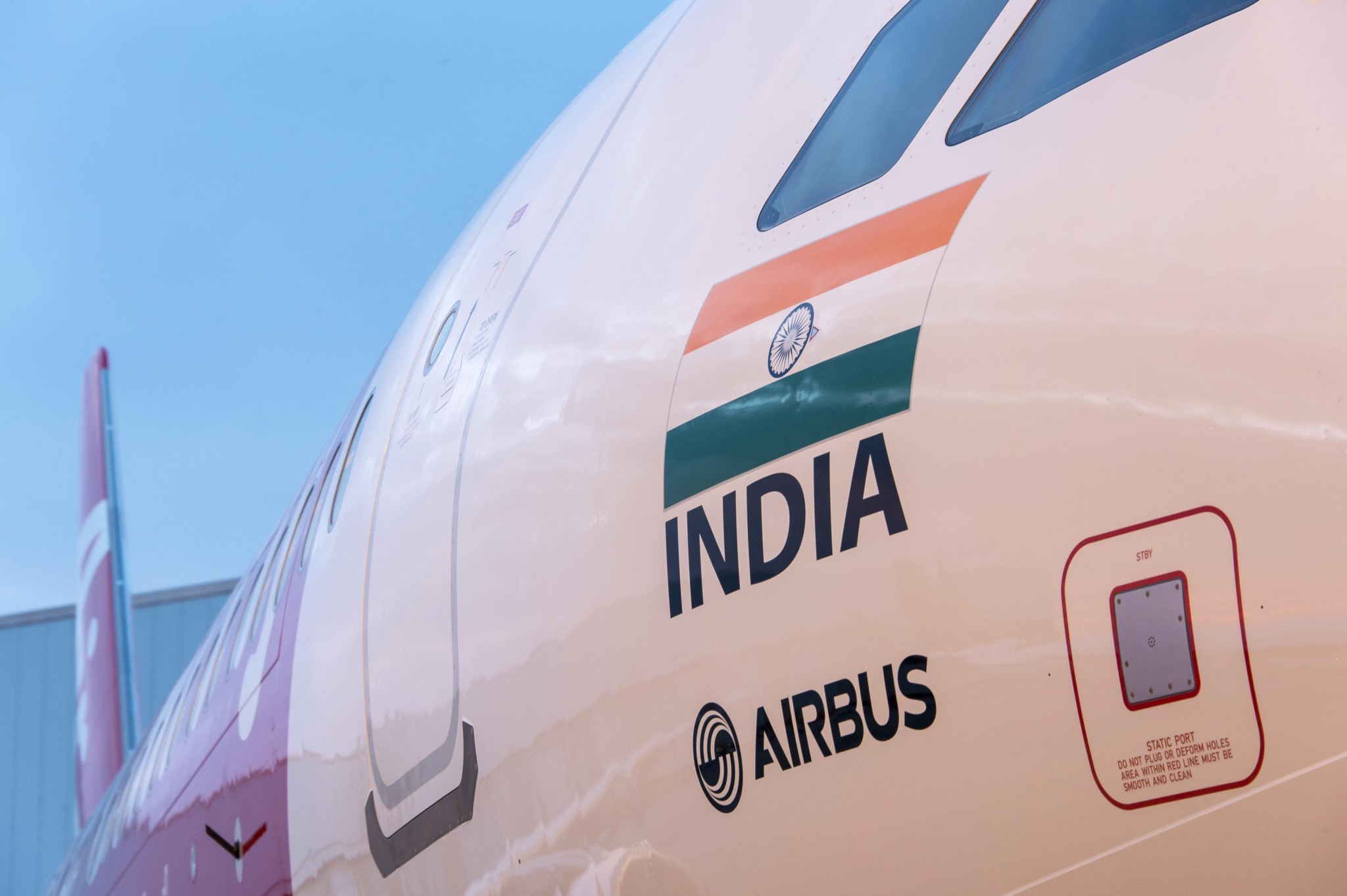
The closure of Pakistan's airspace to all Indian registered aircraft is expected to impact carriers including Air India and IndiGo, which operate flights to Europe, North America and parts of the Middle East, relying on Pakistan's airspace for these routes.
According to a NOTAM issued by the Pakistan Civil Aviation Authority, the ban will remain in force from April 24 to May 23, 2025.
Under the ban all Indian-registered aircraft, whether operated by Indian airlines or other carriers based in India, are barred from using Pakistan’s air routes. This also includes military aircraft.
These measures introduced by Pakistan follow escalating tensions between the neighbouring countries, following an attack in Indian-administered Kashmir that killed 26 people, including 25 Indian tourists and one Nepali national.
India has accused Pakistan of supporting the militants responsible for the attack, leading to a series of retaliatory measures, including this airspace ban.
Speaking to Airline Economics, Matthew Borie, chief intelligence officer at aviation risk assessment solutions provider Osprey, stated that in light of this NOTAM, aircraft will likely have to use Iranian airspace “in full” for flights to Europe and US.
This will result in increased flight times, meaning increased costs for Indian airlines, as longer routes will cause an uptick in fuel costs.
“Flights to Europe will be approximately one hour longer each way, so two hours on a round trip,” stated Borie. “Some flights to the US which were direct, will now have fuel stops in Europe, for example in places like Austria.”
In a post on X (formally twitter), Air India stated that due to these restrictions it is expected that some flights will be forced to take an alternative “extended" route. “We would like to reiterate that at Air India, the safety of our customers and crew remains top priority,” the airline added.
IndiGo also stated that a few of its international operations will also be impacted.
This airspace closure follows similar measures introduced in 2019, with the closure of Pakistan's airspace lasting for about five months.