

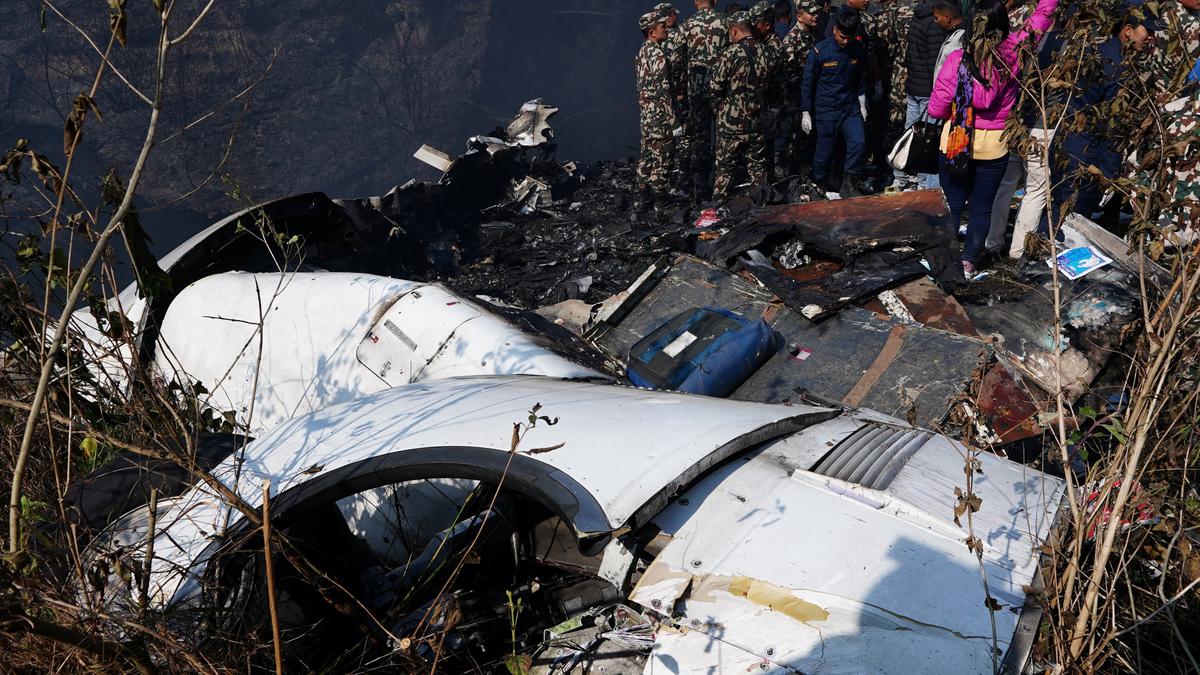
The International Civil Aviation Organization (ICAO) has strengthened global standards for aircraft accident investigations, responding to growing public expectations around transparency and impartiality in high-profile incidents.
The changes, approved by ICAO’s Council, amend Annex 13 of the Convention on International Civil Aviation and are designed to ensure investigations are not compromised by conflicts of interest or political sensitivities. The move follows concerns that, in some recent cases, probes were delayed, curtailed or failed to produce final reports, limiting lessons for future safety improvements.
ICAO said expectations have shifted, particularly in accidents involving complex geopolitical or security contexts, requiring international standards to evolve. Under the revised framework, states are given clearer guidance on how to manage situations where real or perceived conflicts of interest could undermine confidence in findings.
New measures include the option to delegate investigations to another state or regional body, invite third-party observers, and provide timely, verified updates to the public. Authorities are also expected to improve communication with victims and their families as part of a more transparent process.
The amendments also reinforce that investigators must have unrestricted access to all relevant evidence without delay, addressing past ambiguities that may have limited access.
The changes align with broader updates to ICAO’s safety management framework, emphasising the role of investigation data in preventing future incidents.
The revised standards will come into effect in November 2028, giving states time to update national laws and procedures, with ICAO set to support implementation through guidance and training.