

The European Commission has put forward a new list of US goods worth €72bn ($84.06bn) that could be targeted by EU levies if tariff talks between the trade bloc and Washington fail.
These measures - essentially a list of retaliatory tariffs - were expected to target €95bn ($110.4bn) worth of US imports, following a prior announcement made by the Commission.
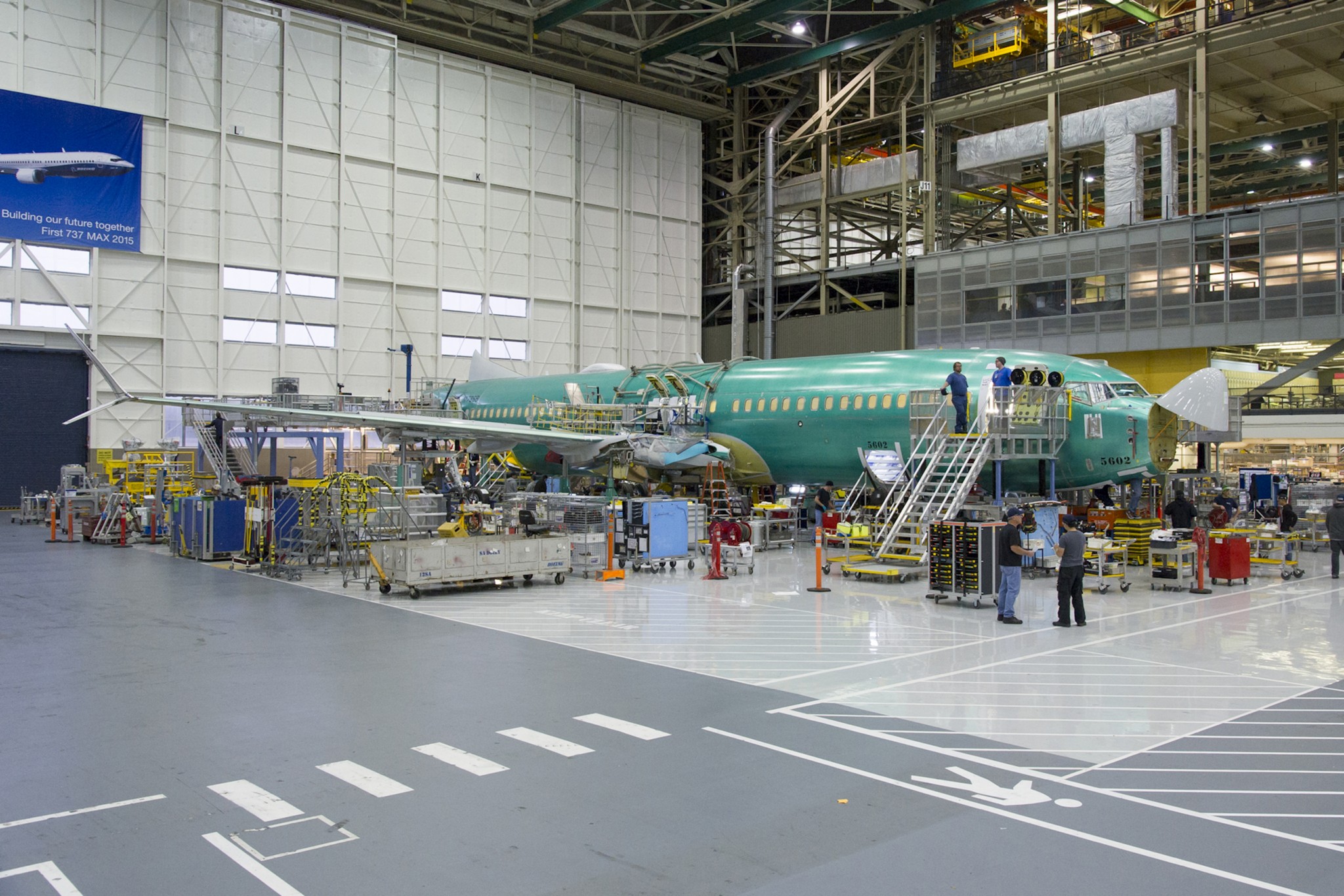
This latest list reportedly includes tariffs targeting nearly €11bn ($12.8bn) worth of US exports in the aerospace sector, with Boeing aircraft and parts expected to be among the primary targets.
The European Commission declined to comment on how its proposed tariff measures will specifically affect the aviation industry, following a request for clarification from Airline Economics.
These proposed tariffs follow US President Donald Trump's announcement last week that he plans to hit Brussels with a 30% levy on its exports to the US, saying that Washington’s trade deficit with the bloc was a national security threat.
Maroš Šefčovič, EU Commissioner for Trade and Economic Security, said that the EU has approached talks with the US in good faith, emphasising that this fresh set of tariffs does not exhaust the EU’s toolbox and that every instrument remains on the table.
Šefčovič stated that the Commission shared its proposal for this second list of goods with the EU Member States, they will now have a chance to discuss it.
EU President Ursula von der Leyen said on July 12, that a 30% tariff on EU exports would hurt businesses, consumers and patients on both sides of the Atlantic: “We will continue working towards an agreement by August 1. At the same time, we are ready to safeguard EU interests on the basis of proportionate countermeasures.”
The effects of tariffs on aircraft manufacturers have been prevalent in recent months, particularly following the US government's introduction of reciprocal tariffs economies worldwide in April, including the EU. These measures have affected Airbus deliveries.
According to research by Airline Economics, Delta Air Lines earlier this year took delivery of Airbus aircraft by flying them via Asia, in what appeared to be a strategic move to avoid US tariffs. One A330-900 departed from Toulouse on May 11, but instead of flying directly to the US, it landed at Tokyo’s Narita Airport the following day.
A source familiar with the matter confirmed to Airline Economics that this routing was part of a deliberate strategy to bypass tariffs. The approach exploited a loophole, allowing aircraft to avoid tariffs if they operate international routes into and out of the US.
This tactic was previously employed during the Trump administration and appears to be resurfacing in response to the current trade environment.