
A new report into the decarbonisation of Europe's aviation industry has revealed that it will cost €510bn ($531.6bn) more than original forecast, according to the Destination 2050 roadmap presented by airline, aerospace and air traffic management industry organisations on February 4, 2025.
Decarbonisation is now estimated to cost a total €2.4 trillion ($2.5 trillion) — marking a 27%, or €510 bn, increase from the €1.89 trillion estimate set out in Destination 2050's ‘The Price of Net Zero’ report in 2023.
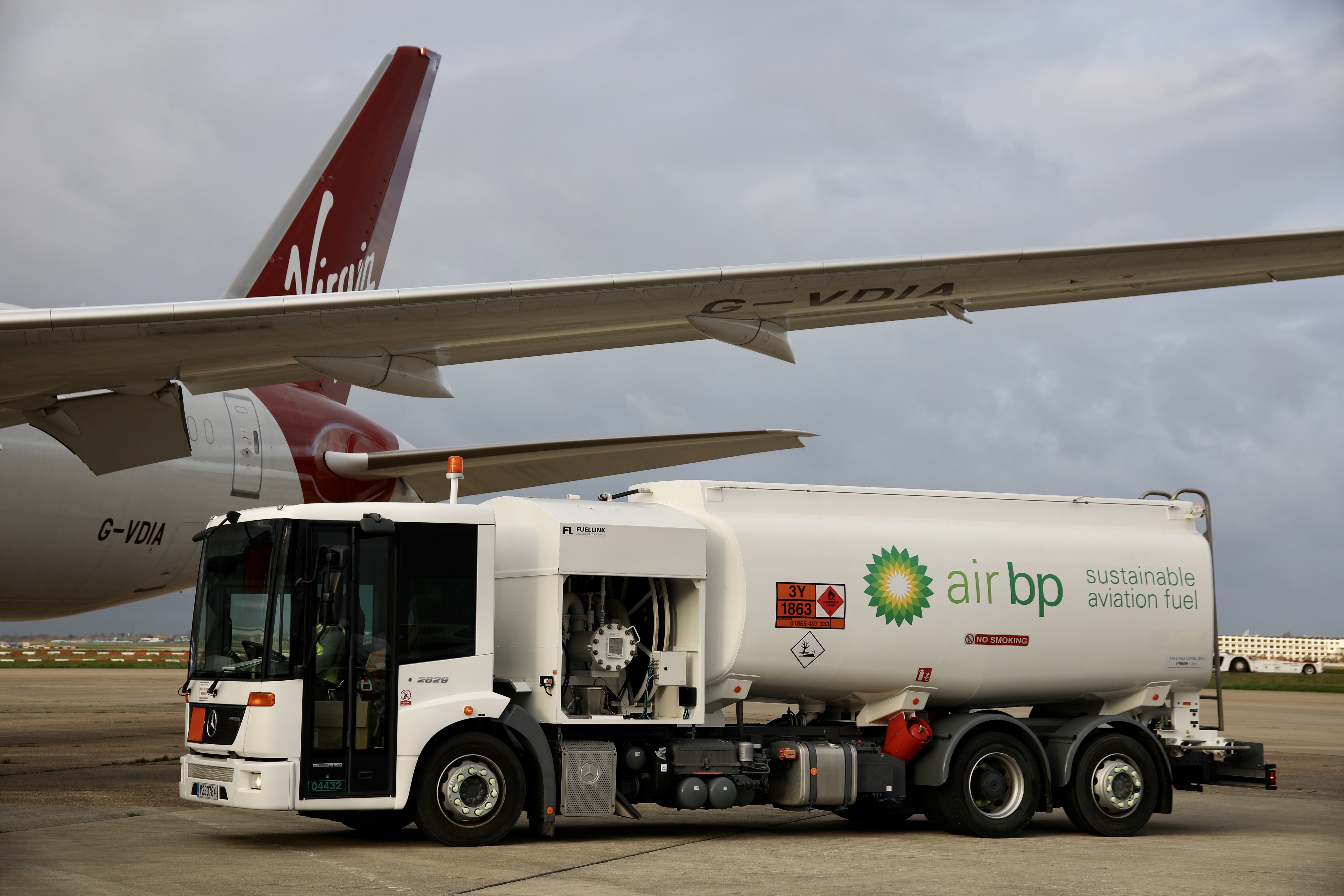
This increase was triggered by “rising premium expenditures, which have grown from €820bn ($854.8bn) to €1.3 trillion ($1.35 trillion), largely driven by increasing market price estimates for SAF. The report outlines that SAF will contribute to a 35% reduction of all C02 emissions by 2050.
In addition, the report found a total of €16bn is needed for research and innovation into new aircraft technologies, in addition to a further €105bn ($109.4bn) that will be used to develop new aircraft with lower energy consumption.
Furthermore, hydrogen's impact on emission reduction and the switch to hydrogen fuel has been “notably reduced” from 20% to 6%.
“This is due to the lower anticipated market share of hydrogen-powered aircraft and the later entry into service of the hydrogen-powered single-aisle,” the report said.
The report added that if hydrogen-powered aircraft's introduction into the market is “pushed back even further”, then only a small contribution to 2050 net emissions reductions remain.
The Destination 2050 report also states that improvements in aircraft and engine technology will contribute 24% to net zero emissions, while air traffic management will contribute a further 6%.
According to the report, sustainable aviation fuels (SAF) represent the largest potential contributor to CO2 emission reductions by 2050, with the report acknowledging that the aviation sector will remain “dependent” on energy sectors and sustainable fuel policy framework to reach overall decarbonisation targets.
Also mentioned is the “ReFuelEU aviation regulation”, which was adopted by the European Union (EU) in 2023. The regulation mandates that aviation fuel suppliers gradually increase the share of SAF blended into conventional aviation fuel at EU airports – from 2% in 2025, to 6% in 2030, and 70% in 2050.