

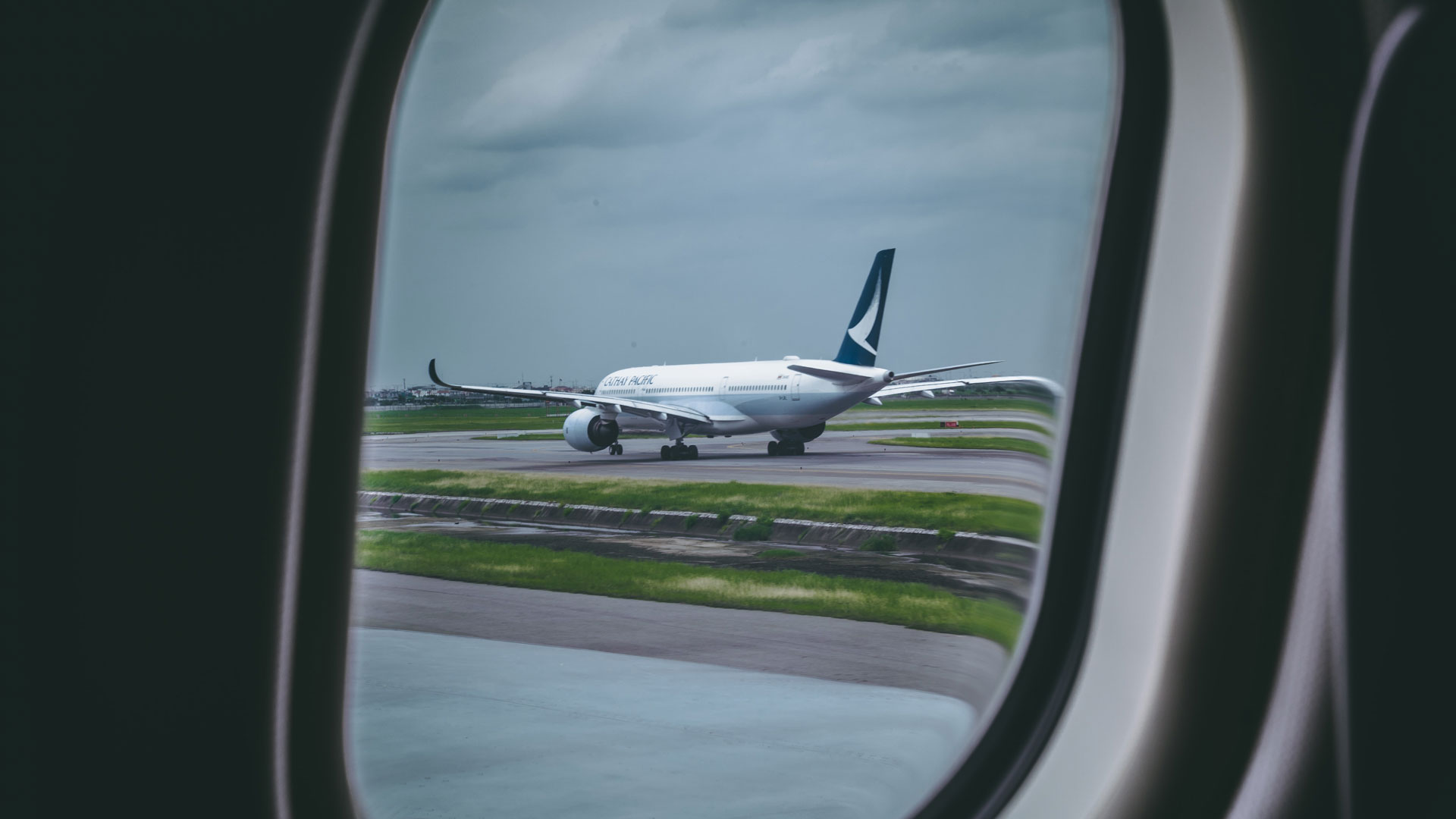
Cathay Pacific reported strong traffic performance in March, supported by premium demand and a surge in passengers rerouting away from Middle East hubs, although rising jet fuel costs continue to pressure margins, according to a research note from HSBC.
HSBC said the airline’s revenue passenger kilometres (RPK) rose 22% year-on-year in March, outpacing a 10% increase in capacity available seat per kilometre (ASK), driving passenger load factor up nine percentage points to 91%. The improvement was underpinned by robust premium cabin demand, stronger short-haul leisure traffic and additional Europe-bound capacity deployed to capture diverted transit flows via Hong Kong.
Cargo demand also remained resilient, supported by strong quarter-end volumes across Hong Kong, mainland China, Southeast Asia and Europe. HSBC noted broader cargo tailwinds, including a 27% rise in the Baltic Air Freight Index since the onset of the Middle East conflict, alongside modest yield gains reported by regional peers.
The broker pointed to positive read-across from other Asian carriers. Korean Air reported a first-quarter load factor of 88.4%, up 3.4 percentage points year-on-year, with passenger yields rising 3.3%, while Singapore Airlines recorded a load factor of 86.6%.
Both airlines highlighted stronger Europe-Asia demand linked to reduced capacity through Middle Eastern hubs, a trend HSBC expects to continue supporting Cathay Pacific’s hub traffic and premium yields.
Looking ahead, Cathay Pacific expects passenger demand to remain strong in April, driven by Easter travel and continued long-haul transit flows via Hong Kong, while cargo demand is forecast to stay healthy but sensitive to ongoing capacity shifts tied to geopolitical developments.
However, HSBC cautioned that rising jet fuel prices are offsetting these demand gains, with margins coming under pressure despite the use of fuel surcharges. The broker models an 85% pass-through of higher oil prices for Cathay Pacific in 2026, higher than some global peers, but still leaving earnings exposed to sustained fuel volatility.
In response, the airline is implementing short-term capacity discipline, reducing around 2% of Cathay Pacific frequencies and 6% at its low-cost unit HK Express between mid-May and June. Full operations are expected to resume thereafter, subject to fuel price trends and stability in the Middle East.
HSBC reiterated its “Buy” rating on Cathay Pacific with an unchanged price target of HK$16.00, citing strong demand fundamentals, higher fares and cargo tailwinds as partial offsets to cost pressures. The broker also said Cathay Pacific is better positioned than mainland Chinese peers such as Air China, China Eastern Airlines and China Southern Airlines, where more price-sensitive demand may limit airlines’ ability to pass on higher fuel costs.
Despite the challenging cost environment, HSBC sees continued upside supported by sustained premium travel demand and constrained capacity in Hong Kong, with the stock offering an estimated dividend yield of around 6.2% to 6.6% over 2026–2027.