

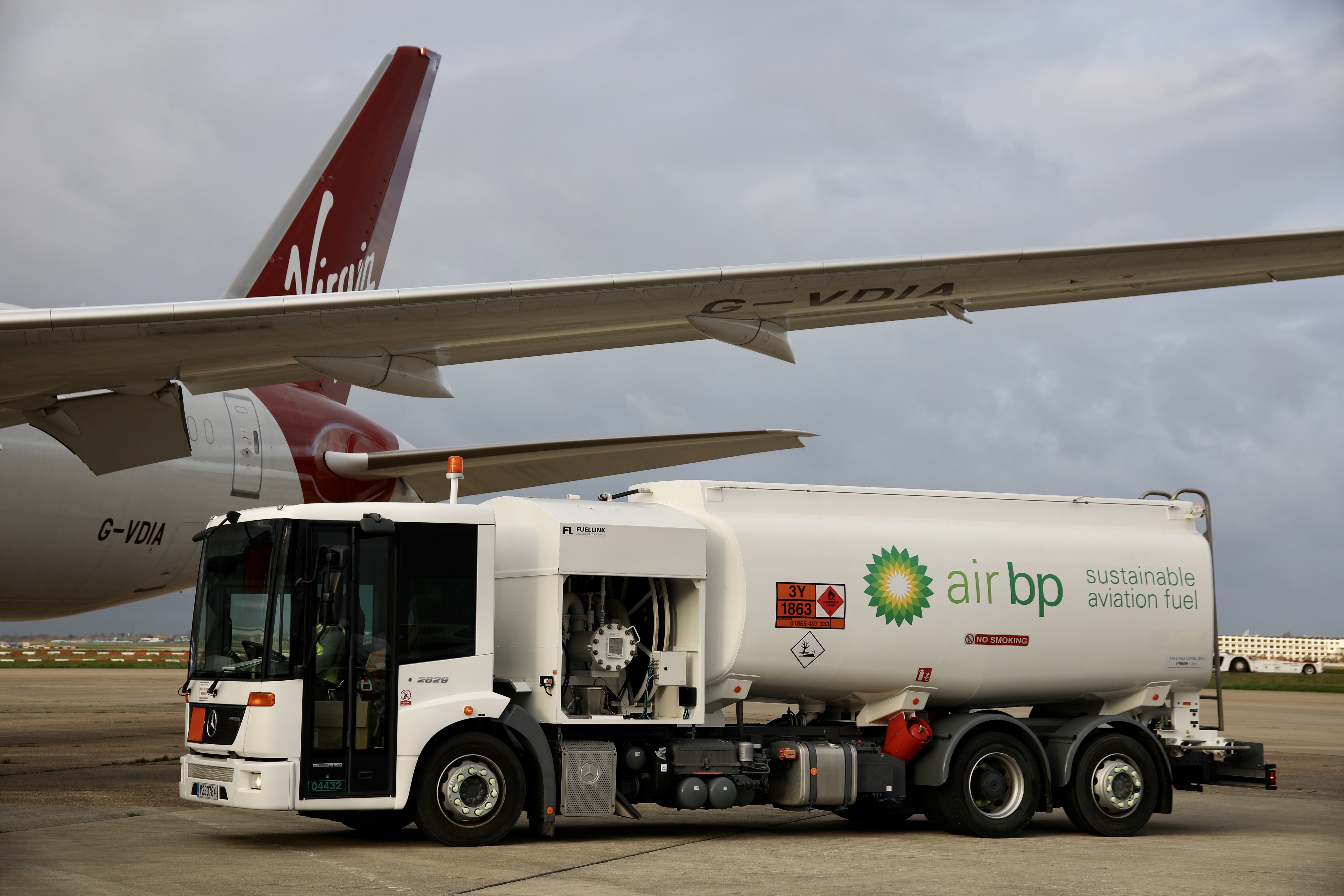
In a letter to European policymakers, the Airports Council International’s (ACI) director-general Olivier Jankovec said the situation had reached a critical point as supply disruptions linked to the US-Iran conflict continue to constrain fuel shipments.
“At this stage, we understand that if the passage through the Strait of Hormuz does not resume in any significant and stable way within the next three weeks, systemic jet fuel shortage is set to become a reality for the EU,” Jankovec wrote.
He added that the timing was particularly concerning given the approach of the peak summer travel season, when demand for aviation fuel typically rises sharply.
ACI warned that the impact would not be limited to airlines, with airport operations and wider economic activity also at risk. “A supply crunch would severely disrupt airport operations and air connectivity with the risk of harsh economic impacts for the communities affected, and for Europe,” Jankovec said.
The trade body said Europe’s reliance on imported jet fuel, around half of which normally comes from the Gulf, has left the region exposed to geopolitical shocks. It also pointed to reduced refining capacity within Europe as a structural weakness exacerbating the current crisis.
Meanwhile, in the UK, which is not part of the EU, an industry source said the situation at Heathrow Airport is not as badly impacted with no rationing taking place and operations are running normally. They said they don't expect the airport to run out of fuel within three weeks. The UK has started sourcing more jet fuel supplies from the US to replace the loss of Gulf supplies.
Impact rippling out
New analysis from BNP Paribas suggests the operational impact is already feeding through to airline schedules. The bank estimates global airline capacity for April is down around 7% compared with pre-conflict plans, a deeper reduction than previously expected, while May schedules are now running about 2% lower.
The disruption is most acute in the Middle East, where April capacity has fallen by roughly 43%, with major hubs still operating about one-third below normal levels. However, cuts are spreading more broadly, with European airlines reducing April schedules by around 4% and Asian carriers by nearly 5%, indicating a widening impact beyond the immediate conflict zone.
BNP Paribas said the combination of elevated fuel costs and operational uncertainty is increasingly shaping airline planning. It added that if high fuel prices persist, carriers may accelerate the retirement of older, less efficient aircraft as they become uneconomical to operate.
ACI urged European authorities to take a more active role, calling for closer monitoring of fuel availability over the next six months and measures to boost domestic production. It also suggested coordinated action such as collective purchasing and temporary regulatory adjustments to ease imports.
The warning comes as the US said it has formally shut the vital Strait of Hormuz, meaning that not even ships from Iran and its allies can use it - potentially further restricting the flow of crude oil and refined products including jet fuel to global markets.
ACI also highlighted the uneven impact across the sector, noting that smaller regional airports are particularly vulnerable due to tighter margins and less flexibility in sourcing fuel.
The group said the crisis should prompt a broader rethink of Europe’s aviation fuel strategy, including greater support for sustainable aviation fuel (SAF) production to reduce long-term dependence on imports.
The aviation sector is a major contributor to Europe’s economy, supporting around €851 billion in GDP and 14 million jobs annually, underlining the potential scale of disruption if fuel shortages materialise.