

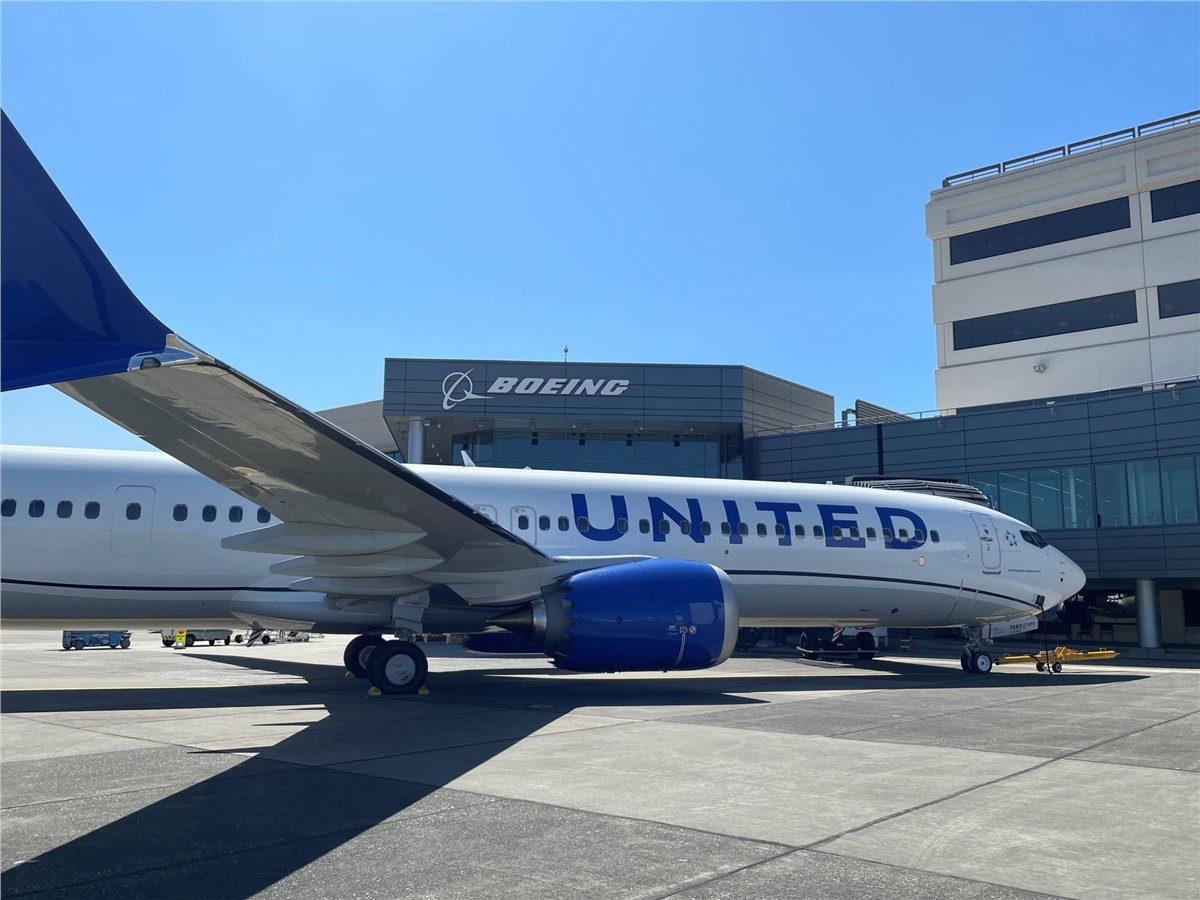
A potential merger between United Airlines and American Airlines would face considerable regulatory and execution risks, as it would create the most dominant carrier in US aviation, according to TD Cowen, a unit of Canadian financial firm TD Securities.
The bank estimates that, based on first-half 2026 schedules, a combined airline would control around 40% of US domestic capacity. Market concentration would be particularly high at key hubs, with an estimated 45% share across New York airports, 70% in Chicago and 46% in Los Angeles. Overall, the merged entity would hold more than 50% share at 159 airports, raising substantial antitrust concerns.
TD Cowen said regulators would likely focus on 289 one-way routes where competition would be reduced from two or three airlines to one or two. These routes account for 13.8% of the combined carrier’s domestic capacity, suggesting divestitures would be required, alongside potential opposition from state authorities and rival airlines.
Beyond regulatory scrutiny, the bank pointed to significant execution risks, including integrating fleets, aligning labour agreements and combining loyalty programmes. It also flagged uncertainty around alliance positioning, with questions over whether the merged airline would align with Star Alliance or Oneworld. On valuation, analysts noted that American could anchor negotiations to its more than $14 billion in unencumbered assets, though high leverage and integration complexity could weigh on any deal.