

TD Cowen, part of Canadian financial services group TD Securities, has lowered earnings expectations for all six major U.S. airlines, warning that sustained high jet fuel prices are likely to weigh on profitability through 2026 despite what it described as an encouraging demand backdrop.
The analysts said their adjusted earnings per share (EPS) forecasts for the second quarter and full year 2026 are now below market consensus for Delta Air Lines, United Airlines, American Airlines, Southwest Airlines, Alaska Air Group and JetBlue Airways. They also expect further downward revisions in the coming months as the impact of higher fuel costs becomes clearer.
Seeking Q2 guidance
Investor focus is expected to centre on second-quarter guidance, forward bookings and capacity plans for the second half of the year, particularly as airlines navigate uncertainty around demand and pricing. TD Cowen highlighted concerns about the potential impact of higher energy prices, alongside softer credit card data and channel checks that suggest growing scrutiny over how resilient air travel demand will be.
Within the sector, Delta Air Lines is viewed as the most defensive carrier, while United Airlines is seen as the most attractive long-term investment. Airlines with higher leverage levels or greater exposure to fuel costs - including American Airlines, JetBlue Airways and Alaska Air Group - are expected to face greater near-term pressure.
Delta Air Lines
Delta Air Lines will be the first to report results, with first-quarter earnings scheduled for April 8. TD Cowen expects the carrier to guide for second-quarter revenue growth of 11% to 13%, with an adjusted earnings before interest and tax margin of 7% to 9% and EPS between $1.20 and $1.60. The analysts said the company may withdraw full-year guidance given uncertainty around fuel costs, although they estimate potential full-year EPS in a range of $5.00 to $6.00.
Key questions for Delta include the impact of rerouted traffic flows avoiding the Middle East, the effectiveness of revenue segmentation in offsetting fuel costs, and the role of its refinery operations in managing fuel price volatility.
United Airlines
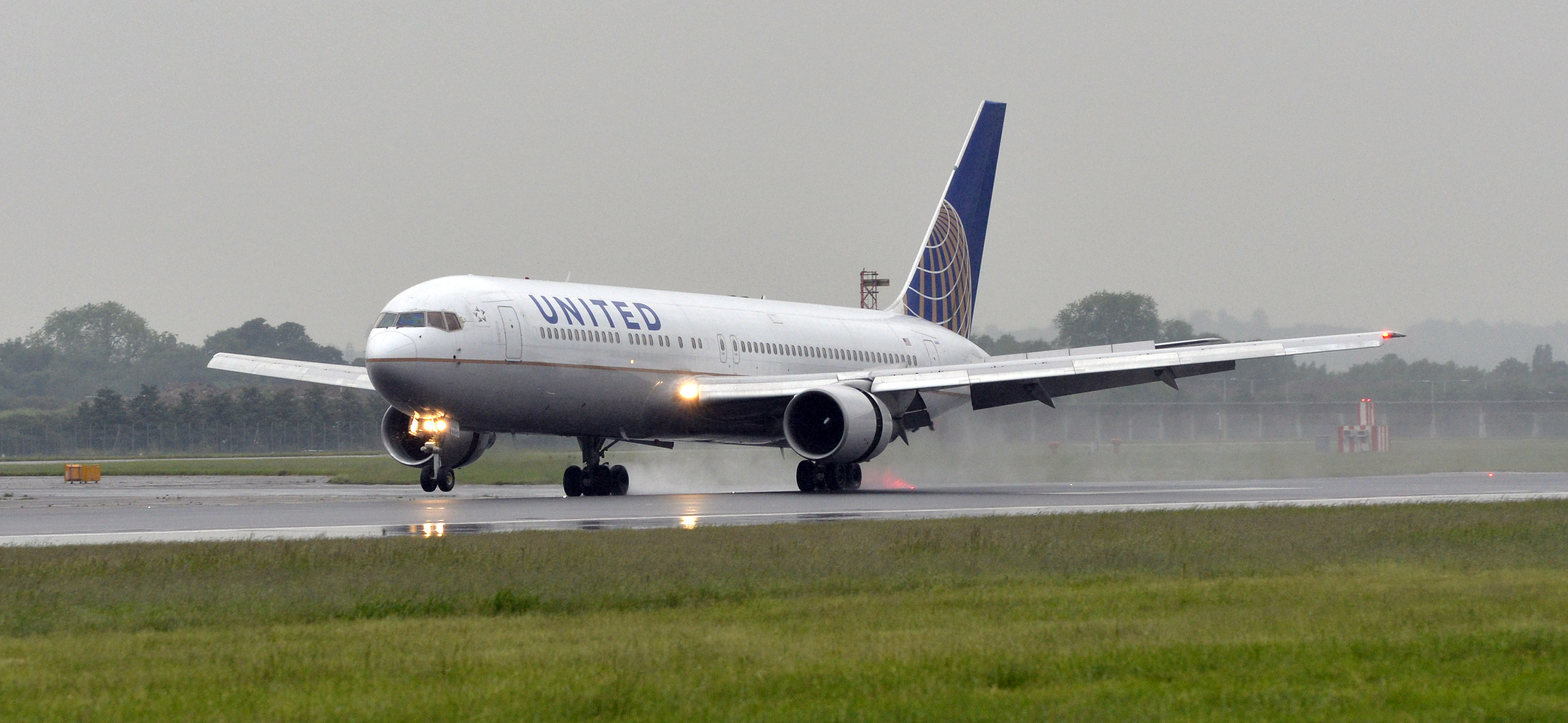
United Airlines, which reports on April 21, is identified as TD Cowen’s preferred investment within the sector. The analysts expect second-quarter EPS guidance of between $1.25 and $1.75, with potential full-year EPS in a range of $8.50 to $10.50 if guidance is provided.
For United, investor focus will include unit cost performance, measured by cost per available seat mile excluding fuel (CASMex), as well as the impact of capacity adjustments and customer demand trends. The analysts also flagged questions around how higher-income customer segments may support revenue resilience and how capital allocation could evolve in a higher fuel price environment.
American Airlines
American Airlines is expected to report on April 23, with TD Cowen forecasting second-quarter available seat miles growth of 4% to 6% and revenue growth of 11% to 14%. Unit costs excluding fuel are expected to rise by 2% to 4%, while the airline is projected to report a loss, with EPS between negative $0.50 and negative $0.90. Full-year EPS could range from negative $1.25 to negative $2.25 if guidance is issued.
The analysts highlighted questions around booking trends, particularly for last-minute travel, and the airline’s ability to adjust capacity growth in the second half of the year.
Southwest Airlines
Southwest Airlines, scheduled to report on April 22, is expected to guide for flat capacity in the second quarter, with revenue per available seat mile (RASM) in the mid-to-high teens and CASMex rising by around 2.5%. TD Cowen forecasts EPS of $0.35 to $0.55 for the quarter and at least $3.00 for the full year if guidance is provided.
Key issues for Southwest include the drivers of RASM performance, the impact of pricing and volume trends, and the scope for further capacity adjustments following recent network optimisation.
Alaska Air Group
Alaska Air Group is also expected to report on April 22, with TD Cowen forecasting flat capacity and EPS ranging from negative $1.00 to breakeven for the second quarter. Full-year EPS could range from negative $2.50 to $0.50. The analysts flagged risks related to corporate travel demand, operational changes and the impact of higher fuel costs on financial performance.
JetBlue Airways
JetBlue Airways, which is expected to report on April 28, is forecast to guide for capacity growth of 1.5% to 4.5% in the second quarter, with RASM growth of 8% to 12% and CASMex rising by 3% to 5%. Fuel costs are expected to range between $4.15 and $4.30. For the full year, TD Cowen anticipates capacity growth of 1% to 3% and RASM growth of 7% to 10%.
Across the sector, TD Cowen identified several common questions for management teams, including trends in forward bookings, the level of remaining seat inventory, customer price sensitivity and corporate demand patterns. The analysts also highlighted uncertainty around potential capacity reductions in the second half of the year.