

The International Civil Aviation Organization (ICAO) has adopted tougher global environmental standards for new aircraft, including next-generation supersonic jets, in a move aimed at cutting emissions and noise across the aviation sector.
Under the new rules, aircraft manufacturers will be required to meet more stringent CO₂ and noise limits, reflecting advances in technology and growing pressure to decarbonise air transport. ICAO said the updated standards would support international climate goals while encouraging the development of cleaner and quieter aircraft.
For subsonic aircraft, the CO₂ emissions standard will become 10% more stringent for new aircraft type designs from 2031. A further, more complex tightening will apply to new deliveries of existing in-production aircraft types from 2035. At the same time, noise limits will be strengthened, with thresholds reduced by six decibels for larger aircraft and two decibels for smaller ones from 2029.
Significantly, the new framework also extends to supersonic aircraft, as regulators prepare for their potential return to commercial service. From 2029, supersonic jets will be required to meet the same noise standards as today’s subsonic aircraft, addressing one of the key barriers to their wider adoption.
ICAO said the measures were developed over several years through technical analysis and consultation with member states and industry stakeholders, and are designed to ensure certification procedures remain aligned with modern technologies.
The standards will take effect from August 2026 and apply globally from January 2027, with ICAO set to issue further guidance to support implementation.
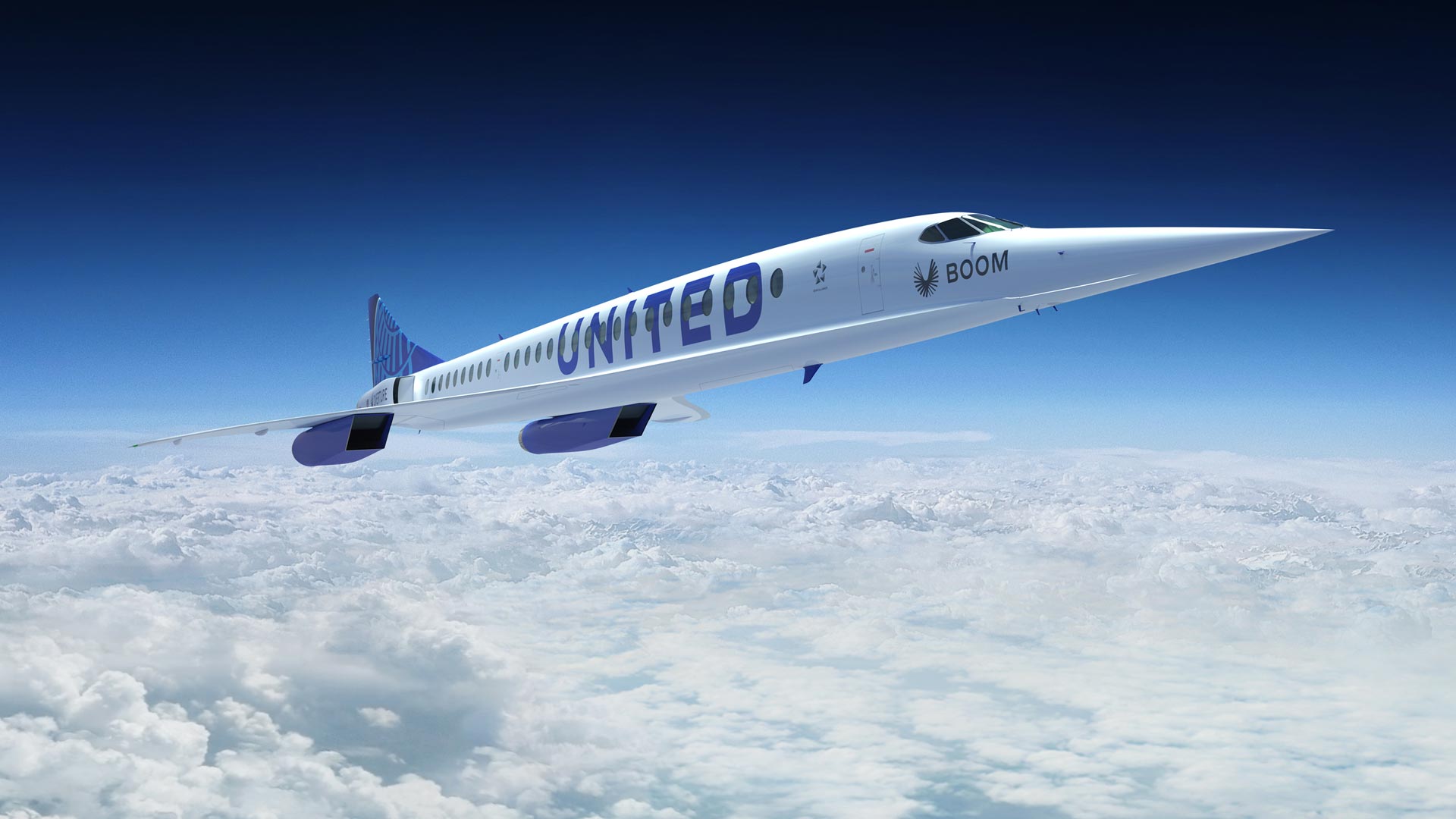
The inclusion of supersonic aircraft is particularly relevant as manufacturers edge closer to reintroducing high-speed passenger travel. US-based Boom Supersonic is among the most advanced developers, with its Overture aircraft expected to enter service around 2029 capable of speeds of up to Mach 1.7. Airlines including United Airlines, American Airlines and Japan Airlines have already expressed interest in the new aircraft.