

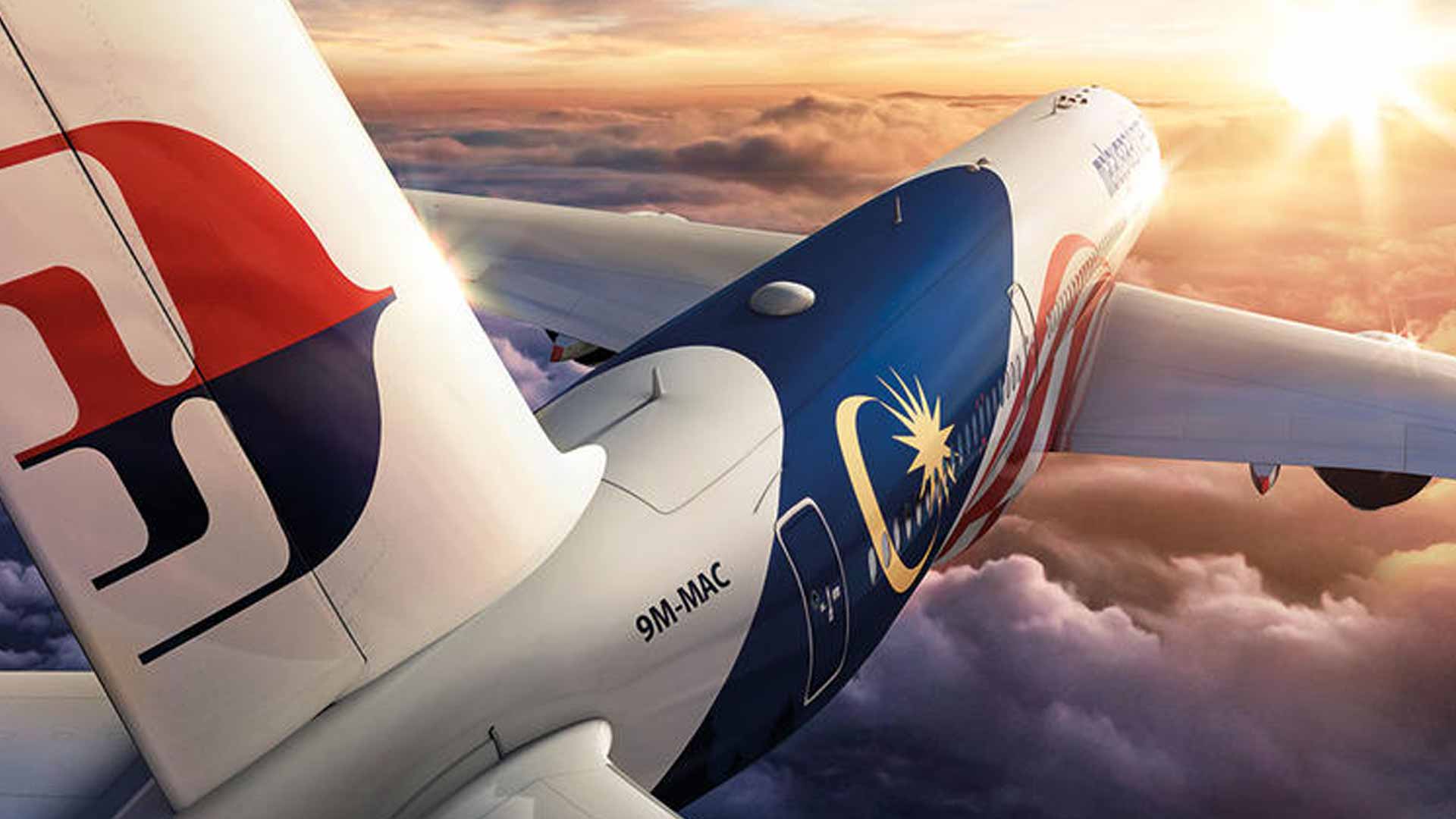
Malaysia Aviation Group (MAG) reported a fourth consecutive year of operating profit in 2025, with net profit after interest and tax (NIAT) more than doubling to RM137m ($34m) from RM54m in 2024, as the airline group expanded capacity and restored its network following earlier disruptions.
The improved result was supported by a sharp increase in earnings, with EBITDA rising 104% year-on-year to RM1.6bn from RM788m, while revenue grew 6% to RM14.5bn. The group attributed the performance to a combination of a stronger ringgit, favourable fuel prices and capacity expansion across key markets during the reporting period.
Operational metrics reflected the recovery in airline activity. Available seat kilometres (ASK) rose 16% to 53,217m km, while passenger traffic increased 12% to 18.6m. Passenger load factor improved to 81% from 80% the previous year, indicating stronger utilisation of capacity, while on-time performance rose to 81% from 73%.
Despite the improvement in traffic and efficiency, passenger yield declined to RM 0.275 from RM 0.301
suggesting pressure on pricing as capacity expanded. The group said performance strengthened through the year, with three consecutive quarters of improved results following operational challenges in the first quarter linked to earlier capacity and technical constraints.
Expansion benefits
Within the airline segment, Malaysia Airlines Bhd (MAB) recorded a 7% increase in revenue, supported by a 17% rise in capacity as the carrier continued to rebuild and expand its network. The airline resumed long-haul services to Paris and Brisbane and increased frequencies across several markets, including Australia, India, Maldives and Bangladesh, reinforcing its international connectivity.
Firefly, the group’s regional and low-cost operator, reported an improvement in NIAT year-on-year despite headwinds linked to capacity reductions in late 2024 and competitive pressures. The airline expanded its network through new international jet services to Krabi, Siem Reap and Cebu, alongside additional domestic routes.
AMAL by Malaysia Airlines also reported higher revenue in 2025, driven by increased passenger numbers and improved yield. During the year, MAG completed the divestment of MASwings to the Sarawak government, marking a restructuring step within its portfolio of airline operations.
Beyond the core airline business, MAG reported improved performance across several non-airline divisions. MAB Kargo recorded stronger operating profit, supported by additional capacity and favourable fuel and currency conditions. Ground handling unit AeroDarat delivered a double-digit increase in revenue, driven by higher flight volumes from both group airlines and third-party carriers.
MAB Engineering Services, the group’s maintenance, repair and overhaul (MRO) arm, returned to profit from a loss in the previous year, supported by increased maintenance activity for internal and external customers. MAB Academy remained profitable, despite higher operating expenses linked to ongoing investment in training capabilities.
Fleet modernisation
Fleet development remained a central element of MAG’s strategy, with the group securing 30 new narrowbody aircraft, including Boeing 737-10 and Boeing 737-8 models, as part of its ongoing renewal programme. It also exercised options for an additional 20 Airbus A330neo aircraft to support long-haul fleet modernisation and future growth.
The group also expanded its operational infrastructure, including the launch of a simulator building at MAB Academy to strengthen training capabilities. In parallel, MAG announced plans to develop a new catering facility under MAG Culinary Solutions, with construction expected to begin in the second quarter of 2026 and operations targeted for the second quarter of 2029.
Strategically, the group said 2025 marked the conclusion of its Long-Term Business Plan 2.0, which followed its financial restructuring in 2020–21 and focused on stabilising operations and rebuilding performance. MAG is now transitioning to Long-Term Business Plan 3.0, which will guide its development through to 2030.
Looking ahead, the group signalled a more cautious outlook despite the improved financial and operational performance. It warned that market volatility and geopolitical uncertainty could affect capacity, supply chains and cost structures, potentially weighing on financial results in 2026.
MAG said it would focus on maintaining financial resilience and operational discipline while continuing to expand capacity and invest in fleet renewal, as it seeks to strengthen connectivity and support its longer-term growth strategy.