

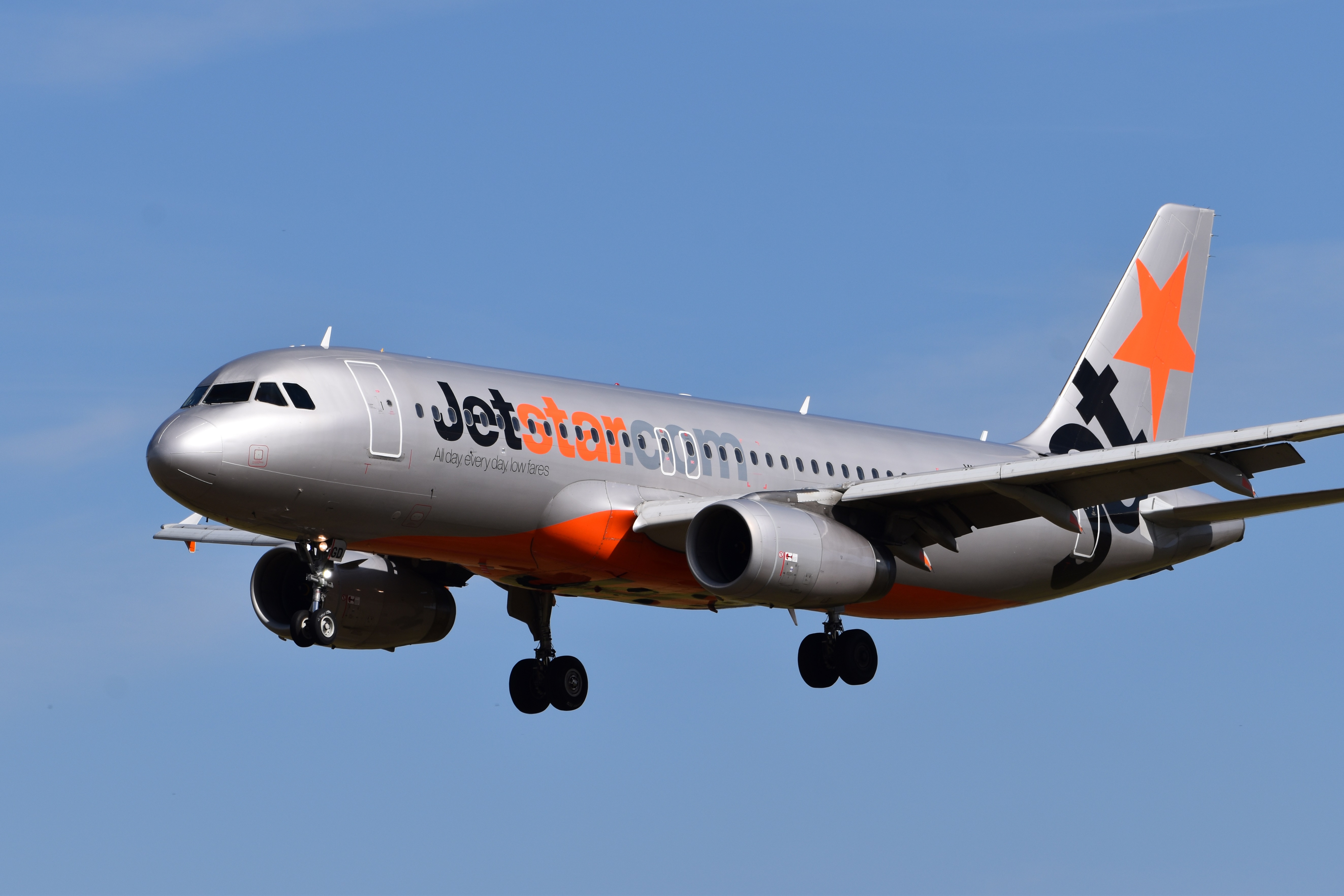
APOC Aviation is accelerating its strategy to capture a larger share of the resilient used serviceable material (USM) market with the announcement of the acquisition of an Airbus A320-200 for immediate teardown.
The Netherlands-headquartered trading and leasing specialist purchased the Airbus from FTAI Aviation, a service provider for aircraft engines. The aircraft, which most recently flew for Jetstar Pacific Airlines, is scheduled to be dismantled at Tarmac Aerosave’s facility in Toulouse-Francazal this May.
The deal highlights a "step-change" in APOC’s market strategy, backed by robust financial support and an intensifying disassembly schedule. Karolis Jurkevičius, VP Landing Gear & Major Assets, noted that the company is "super-charging" its programme to meet buoyant demand in the narrowbody sector.
The influx of parts comes at a critical juncture for the group. This month, APOC is set to launch a dedicated exchange service, seeded initially with inventory from a recent A319 teardown in the UK. The latest A320 acquisition will further bolster this stock once components have undergone repair and re-certification.
"These in-demand components will boost our growing asset pool, supporting airline customers worldwide," said Craig Skilton, VP Components. He emphasized that the company’s strategy now spans a broad spectrum of clients, ranging from top-tier carriers to those maintaining legacy equipment.
While APOC remains heavily weighted toward narrowbody components, its portfolio continues to diversify. The company currently manages both widebody and narrowbody landing gear, alongside a range of engines including CFM56 and V2500-A5 models, for exchange and lease.
The move underscores the current logic of the aviation secondary market: as global airline capacity remains tight and new aircraft delivery delays persist, the value of "mature assets" often lies more in their constituent parts than in their continued flight.