

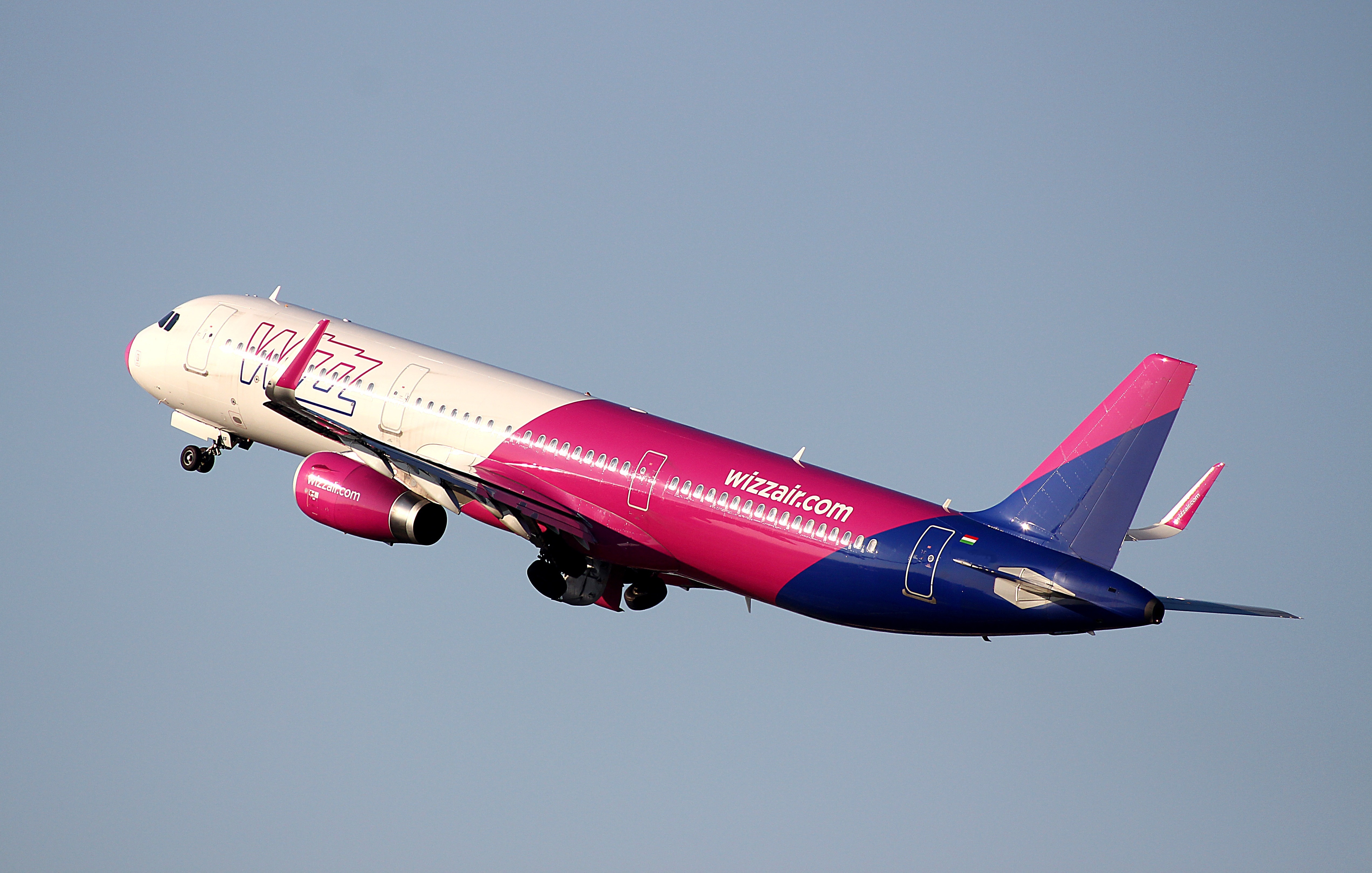
Wizz Air's profits dropped over 40% in the fiscal year ending March 31, 2025, with its results impacted by the continued Pratt & Whitney geared turbofan (GTF) engine issue. As of 11:20am BST on June 5, the company's shares plummeted over 27% following the results.
The company's CEO Jozsef Varadi said the past year had “tested” the airline and its management. He added: “We emerged stronger, wiser, and better prepared.”
As of the end of the fiscal year, the company had 42 aircraft on ground (AOG) due to GTF inspections. Three aircraft are also grounded in Ukraine.
However, as of May 9, the airline had 37 AOG, and this is expected to come down further to around 34 grounded jets by the end of September.
“The number of grounded aircraft will start reducing in both absolute and relative terms and this is why we have reached an transformation point,” said Varadi.
Wizz took delivery of 26 new A321neos and 14 GTF spare engines in the fiscal year to mitigate some of the impact from the GTF groundings.
In its earnings presentation, the company said GTF cost headwind will “substantially” unwind over the next two years, with the tail-end concluding in 2028.
The Airbus delivery schedule was “significantly” reduced in January 2025, with 75 fewer deliveries expected by fiscal year 2028 and the airline now expecting 138 A321s for delivery over the next three years. The fleet is now expected to grow from 205 aircraft at the end of March 2025 to 305 aircraft by the end of March 2028. The airline had originally expected 380 aircraft in its fleet by that time.
Net profit for the fiscal year was down 41.5% to €213.9 million and operating profits fell 61.7% to €167.5 million.
Revenues were up 3.8% to €5.3bn and unit revenues climbed 3.9% to 4.33 cents. Total costs climbed 12% to €5.3bn and unit costs were up 10.9% to 4.33 cents. Excluding fuel, unit costs were up 19.9% to 2.85 cents. The “distortion of unit costs” was driven by the aircraft groundings. This also drove up maintenance and depreciation & amortization costs, which increased 16% to €330 million and 28% to €967 million, respectively.
For the full fiscal year, Wizz carried 63.4 million passengers, up 2.2%, while capacity was flat at a negative 0.1%. The company's load factor was up one percentage point to 91.2%.
The company did not provide guidance for this fiscal year, “given the lack of visibility”. However, Wizz does expect capacity to grow low- to mid-teens in the first half and increase around 20% in the full fiscal year, with load factor expected to be up two percentage points. Revenue is expected to be “higher” than fiscal year 2025, which it said is supported by current bookings.
“Wizz Air is a more resilient business today. Despite the unproductivity of a grounded fleet, we successfully delivered a second consecutive year of profitability. We have the benefit of more than a year of experience operating under these unique circumstances – conditions airlines would never experience when demand exceeds supply.”
Fuel unit costs are expected to be “better”, while excluding fuel, unit costs are set to be slightly higher due to “grounding pressure on fixed costs”, as well as costs associated with retiring its A320ceo family fleet and airport cost improvement lag time.
Wizz had retired six A320ceo aircraft were redelivered in the fiscal year.
The airline noted its first XLR was delivered in May 2025, with the first two routes announced being Gatwick-Jeddah and Milan-Abu Dhabi. In its results presentation, the company said it is “actively developing plans for Indian services”.
As of the end of March, the company had total cash of €1.7bn and net debt of €5bn.
On the same day as its results release, the company launched a new route from Birmingham to Sibiu, Romania, which will operate twice a week.