

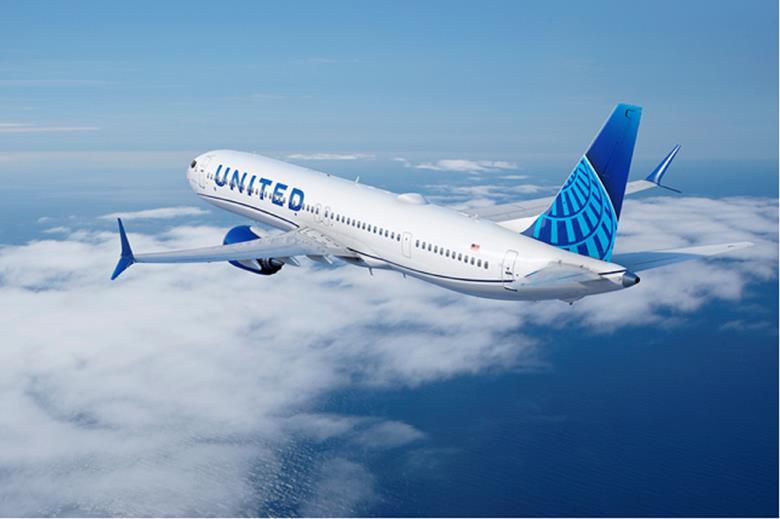
United Airlines is navigating a shifting industry landscape where consolidation and potential government intervention are overshadowing near-term financial performance, according to a research note from JPMorgan.
The broker said discussions around airline mergers and a possible bailout for Spirit Airlines have become the dominant themes for investors, with United’s own commentary offering little clarity on the likelihood of deal activity in 2026. Analysts said management had “chosen its words carefully” when addressing consolidation, leaving the probability of any near-term merger announcements uncertain.
JPMorgan also pointed to growing implications from a potential government rescue package for Spirit, which could establish a precedent for broader support across the sector. The note said such intervention raises concerns about “moral hazard,” particularly if weaker carriers receive backing, potentially prompting similar requests from rivals including JetBlue Airways and Frontier Airlines. At the same time, the bank suggested any government involvement could alternatively focus on managing an orderly wind-down of Spirit to limit disruption and reallocate assets.
Against this backdrop, JPMorgan said United’s underlying financial performance in the first quarter remained strong. The airline reported adjusted earnings per share of $1.19, ahead of both the bank’s estimate of $0.91 and consensus forecasts of $1.09, and within its guided range of $1.00 to $1.50.
Passenger revenue reached a quarterly record of $13.17 billion, rising 11% year-on-year on capacity growth of 3.4%. All regions recorded positive unit revenue trends, with domestic passenger revenue per available seat mile up 8% and Atlantic up 11%. Premium and business revenue both increased 14%, while loyalty revenue rose 13%.
Fuel remains key
Despite the earnings beat, JPMorgan highlighted that fuel costs remain the key driver of the outlook. United maintained full-year guidance of $7 to $11 per share, down from a prior range of $12 to $14, with fuel identified as the main swing factor.
The bank raised its own 2026 estimate to $6.75 per share, still below the low end of the company’s guidance, reflecting caution around revenue assumptions and fuel price volatility.
Second-quarter guidance calls for adjusted earnings of $1.00 to $2.00 per share, based on a fuel price assumption of $4.30 per gallon. JPMorgan trimmed its estimate slightly to $1.72, citing higher-than-expected costs and slightly lower capacity assumptions.
The note also pointed to strong pricing dynamics, with yields accelerating through the quarter. Analysts said yields rose from around 4% early in the period to approximately 20% by the end, while corporate demand increased 16% in the first quarter and is currently running at about 25%. The bank said this strength surprised both analysts and management and could prove durable if elevated fuel costs persist.
United’s strategy of capacity discipline was also highlighted. The airline has extended previously announced reductions, resulting in second-half capacity expected to be flat to up around 2%, with domestic growth likely closer to flat.
JPMorgan said United’s ability to recapture higher fuel costs through pricing appears credible, with the airline targeting recovery of around 45% in the second quarter, 75% in the third quarter and more than 90% by the fourth quarter, depending on market conditions.
Credit rating uncertainty
On credit, the bank said United continues to make progress toward investment-grade status, supported by strong liquidity of $17.2 billion and net leverage of 2.0 times. It currently holds a credit rating of BB+, just under credit grade. The airline reduced debt by $3.1 billion during the quarter and raised about $2 billion in unsecured bonds, including a three-year issue priced below 5%, reflecting strong investor demand.
However, JPMorgan warned that any move toward consolidation could slow that trajectory, as increased leverage and integration risks would weigh on credit metrics. The bank said United’s debt had reached “fair value” when factoring in potential merger activity, prompting a more cautious stance on unsecured debt.
Credit markets are already reflecting these concerns. United’s five-year credit default swap spreads have widened relative to Delta Air Lines, moving to around 90 basis points, as investors price in the possibility of higher leverage from potential deals. The bank said this spread relationship is likely to remain volatile until there is greater clarity on consolidation.
Overall, JPMorgan said United’s operational performance remains solid, but investor focus is likely to stay on external factors, particularly fuel prices, government intervention and the potential for industry consolidation.