

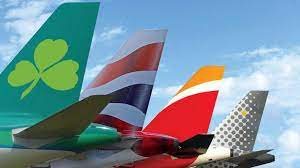
UK airlines could face significant disruption if the conflict in Iran continues, with carriers estimated to have around five to six weeks of jet fuel supplies before shortages begin to affect operations, according to City AM - a UK business newspaper.
The report said airlines and fuel providers currently have sufficient reserves, with industry sources indicating there are “no concerns right now” about immediate supply. A spokesperson for trade body Airlines UK added that carriers are “not seeing disruption to jet fuel supply” at present, although they are closely monitoring the situation with suppliers and government.
However, the outlook beyond April is more uncertain. Airlines in Asia have already cut services to manage fuel shortages, while some European carriers are preparing contingency measures. Ryanair chief executive Michael O’Leary said recently that “10% to 25%” of fuel supplies could be at risk through May and June if the conflict is prolonged.
British Airways and Iberia owner IAG is understood to have around five to six weeks before fuel shortages could begin to affect its operations. The group has hedged 60-70% of its fuel needs for the rest of the year at pre-crisis prices, while Ryanair has locked in 80% of its fuel at pre-conflict levels, according to its CEO Michael O’Leary.
The pressure on supply chains is also reflected in shifting trade flows. According to shipping publication Tradewinds News, the UK is increasingly turning to imports from the U.S. as deliveries from the Middle East are disrupted. Tankers have been dispatched from the U.S. East Coast in an unusual move, with the last known shipment of jet fuel from the Middle East currently en route to the UK.
Tradewinds reported that no further UK-bound cargoes from the region are visible due to the continued disruption of the Strait of Hormuz. The UK has been importing at least half of its jet fuel from the Middle East this year, increasing its exposure to supply interruptions.
Industry analysts cited by Tradewinds said shortages could begin to affect airlines by the end of April if disruption persists, while higher fuel prices, already doubling in Europe since the conflict began, are expected to feed through the supply chain.
For now, UK airlines remain insulated by existing fuel contracts and diversified sourcing, but the combination of tightening supply and rising prices points to a potential squeeze on operations in the coming weeks.