

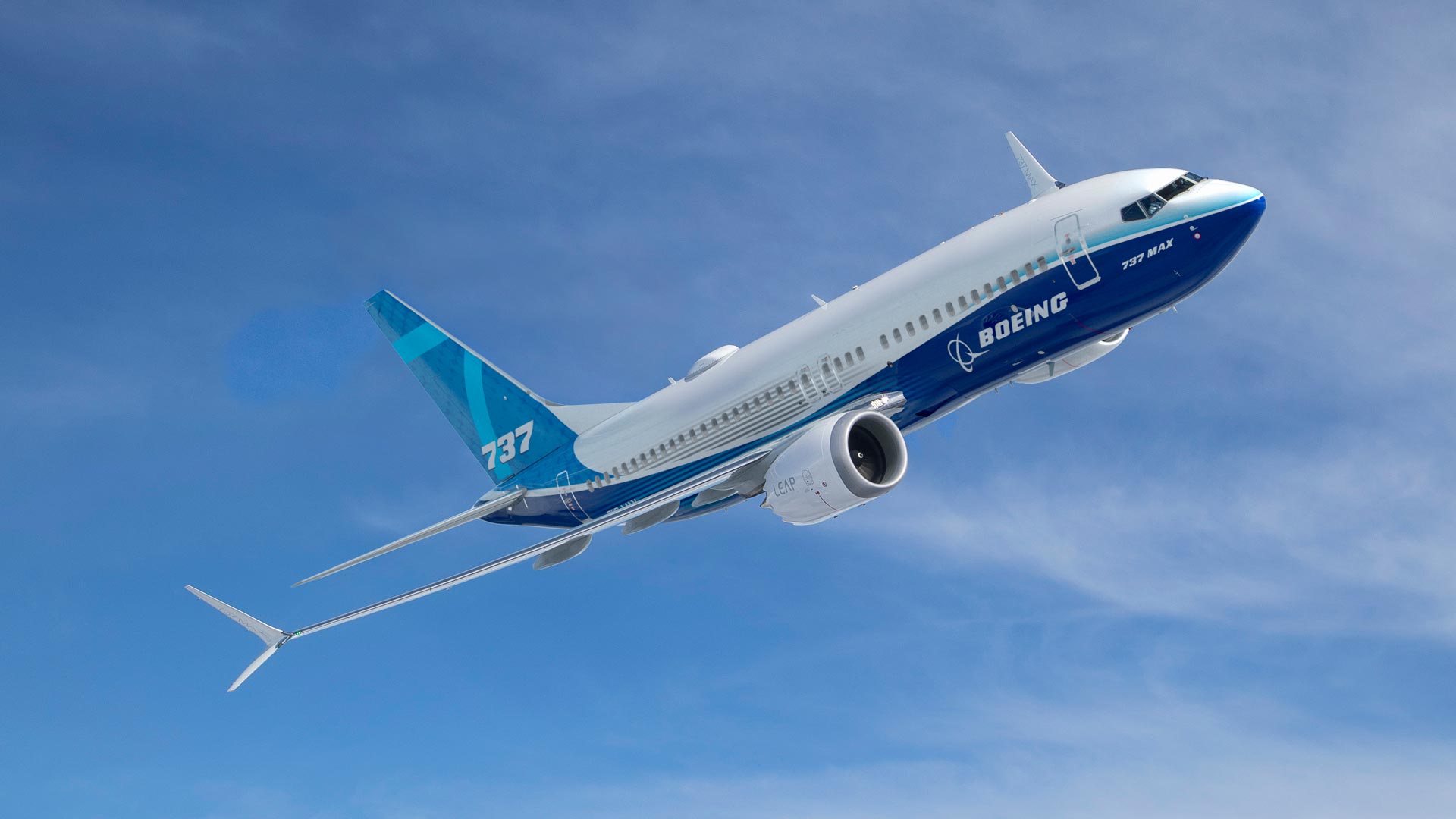
A record backlog in new aircraft deliveries could cost airlines more than $11bn in 2025, according to a new report from the International Air Transport Association (IATA).
The report, published in partnership with consultancy Oliver Wyman, argues that more flexible and less prescriptive MRO practices may be necessary for the industry to overcome supply chain bottlenecks and alleviate costs.
In 2025, the worldwide commercial backlog in new aircraft reached a new record of 17,000, significantly higher than the 2019 to 2010 backlogs of around 13,000 aircraft each.
The report identifies four main drivers of increased costs for airlines: excess fuel costs, additional maintenance costs, rising engine leasing costs, and surplus inventory holding costs.
Excess fuel costs are estimated to hit $4.2bn in 2025, as airlines continue to operate older and less fuel-efficient aircraft.
Additional maintenance costs are estimated to hit $3.1bn, with older aircraft requiring more frequent and more expensive maintenance.
Engine leasing costs are estimated to hit $2.6bn, as airlines need to lease more engines, and engines spend longer on the ground during maintenance.
Since 2019, aircraft lease rates have also risen 20%-30%, reflecting a period of historically high inflation across the global economy, following the COVID-19 pandemic.
Finally, surplus inventory holding is expected to cost $1.4bn in 2025, as airlines stock more spare parts to mitigate unpredictable supply chain disruptions, increasing inventory costs.
In addition to rising costs, the report notes that supply chain challenges prevent airlines from deploying sufficient aircraft to meet growing passenger demand.
In 2024, passenger demand rose 10.4%, exceeding the capacity expansion of 8.7% and pushing load factors to a record 83.5%. The trend in rising passenger demand is set to continue, says the IATA.
In 2026, as covered by Airline Economics, global passenger traffic is likely to hit the 10bn milestone for the first time, as forecasted by the latest World Airport Traffic Report (WATR) from ACI World.
With these underlying causes considered, the report outlines several key initiatives for OEMs, lessors, and suppliers to confront the supply-demand imbalance and build greater resilience.
It calls, for example, for the introduction of “aftermarket best practices” that support MRO operations that are less dependent on OEM-driven commercial licensing models.
Greater supply chain visibility is also recommended, in order to help suppliers identify risks of shortages in advance, and reduce bottlenecks and inefficiencies.
More intelligent use of maintenance insight data is recommended, in order to power predictive insights, pool spare parts, optimise inventory and reduce downtime.
And expansion of repair and parts capacity is recommended to accelerate repair approvals and support alternative parts and used serviceable material (USM) solutions.
Matthew Poitras, partner in Oliver Wyman’s transportation and advanced industrials practice, said it is crucial that OEM and airlines work together to overcome these supply chain challenges, which are set to continue into 2026.
“We see an opportunity to catalyse an improvement in supply chain performance that will benefit everyone,” he said
“But this will require collective steps to reshape the structure of the aerospace industry and work together on transparency and talent.”