
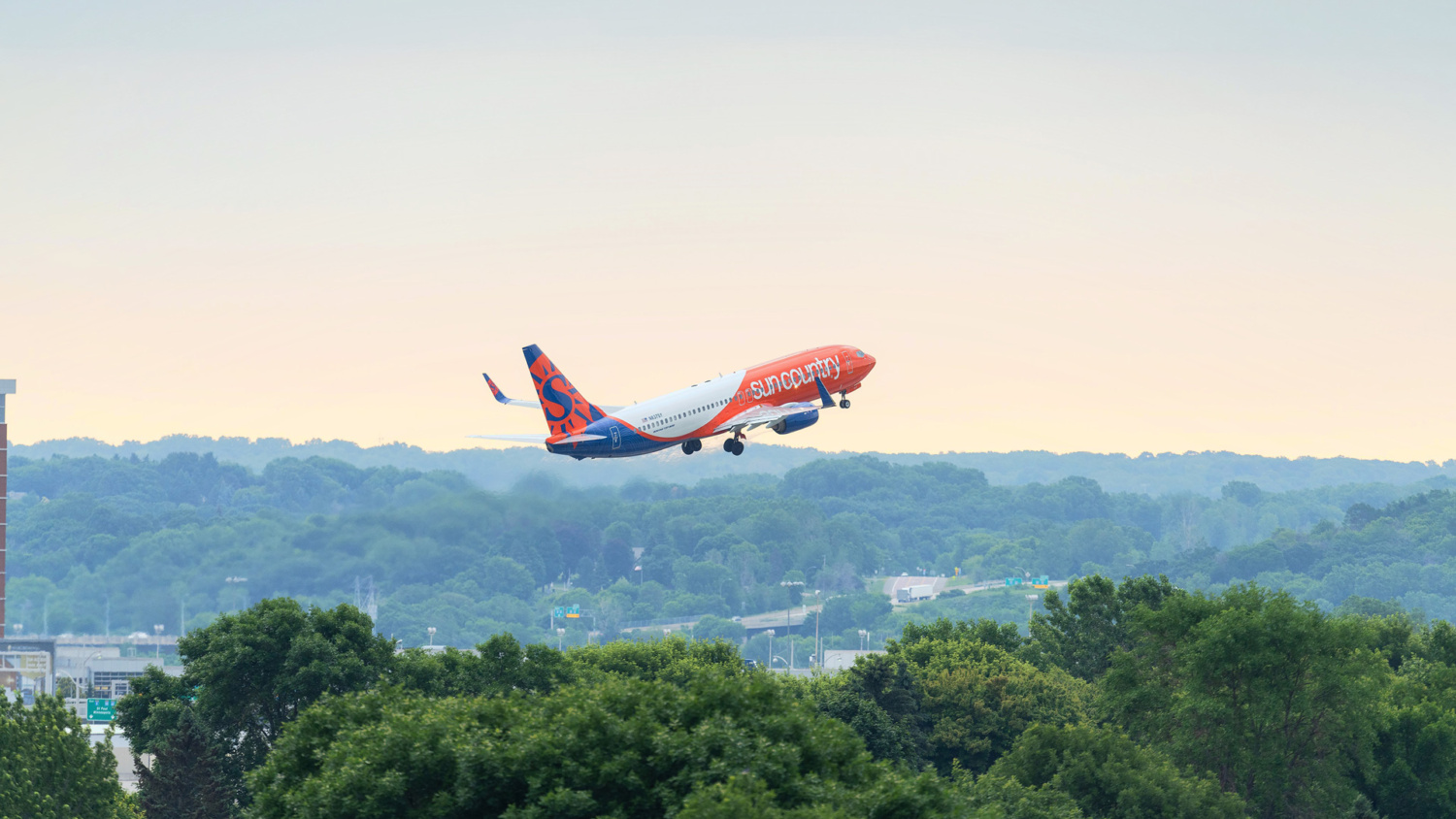
Sun Country Airlines reported another positive quarterly result on May 1, 2025, with net profits up 3.5% to $36.5 million in the first quarter of the year. Following the positive results, the company's board approved a new $25 million share repurchase programme.
“Robust growth in our charter and cargo businesses helped offset lower than expected scheduled service revenue, demonstrating the effectiveness of our diversified business model,” said Sun Country CEO Jude Bricker.
The US ultra low-cost carrier reported total operating revenues of $326.6 million, up 4.9% compared to the same period last year. The company's operating income was up 1.9% to $56.2 million.
“Our first quarter results reflect the continued earnings power of our diversified business model,” said Sun Country interim CFO Bill Trousdale. “Both cargo and charter revenue growth exceeded their block hour growth for the quarter. This strength offset the weaker first quarter scheduled service demand environment that we experienced."
The company said it had been “proactively” resizing its scheduled service business to grow its cargo business.
Trousdale added: "We expect strength in the charter and cargo businesses to persist, especially as we plan to add five more cargo aircraft to the fleet by the end of the third quarter, bringing us to a total of 20 cargo aircraft.” The company has 45 aircraft in its passenger fleet, along with six aircraft on lease to unaffiliated airlines.
Bricker said during the company's earnings call that it redelivered its first 737-900ER aircraft and expect the second to arrive in the second quarter.
“We've decided to postpone the induction of this aircraft until later this year as we have a temporary surplus in our passenger fleet,” said Bricker. “Even with this deferral, we will experience some unit cost pressures associated with lower utilisation of our passenger fleet until we're able to catch up our staffing to our fleet, which should occur around the second quarter 2026.
“Further temporary cost pressure will come from cargo growth in the form of staffing surplus and is built into the induction buffers. We've made the decision to retire one of our older 800 aircraft, which will help us alleviate some of the tightness we're experiencing in the NG components market.”
The company's system block hours flown during the quarter were up 5.8%. Scheduled service capacity was up 6.7%, while charter block hours were up 10.7%. Scheduled service capacity is expected to decline in the second quarter of this year by around 7% to pave room for its planned cargo segment growth. Additionally, the company said full year service capacity is expected to be down 3-5%, with reductions occurring throughout the remaining quarters.
The company guided revenues of between $250 to $260 million for the second quarter, or down 2% to up 2% compared to the second quarter last year. Fuel costs are expected to be $2.44 per gallon, marking a 15% decline on second quarter 2024. Total system block hours are expected to be down 1-3% in the second quarter.
The company's management added that with its agreements with Amazon, along with its six aircraft currently on lease to third party airlines, it does not expect the need to purchase any incremental aircraft until it begins examining 2027 capacity.
Bricker added during the call that the company added new gates to its hub at Minneapolis-Saint Paul International Airport's Terminal 2 — or Humphrey Terminal. He clarified that two were newly built gates and the company has continued to “absorb gates from competitors that we push out of the market”.
As of the end of the quarter, the company had a total liquidity of $227 million. The company had a net debt of $446.7 million and held $53.4 million in cash and cash equivalents. During the earnings call, Bricker said the company continues to expect net debt levels to “fall below zero” sometime in 2028.