
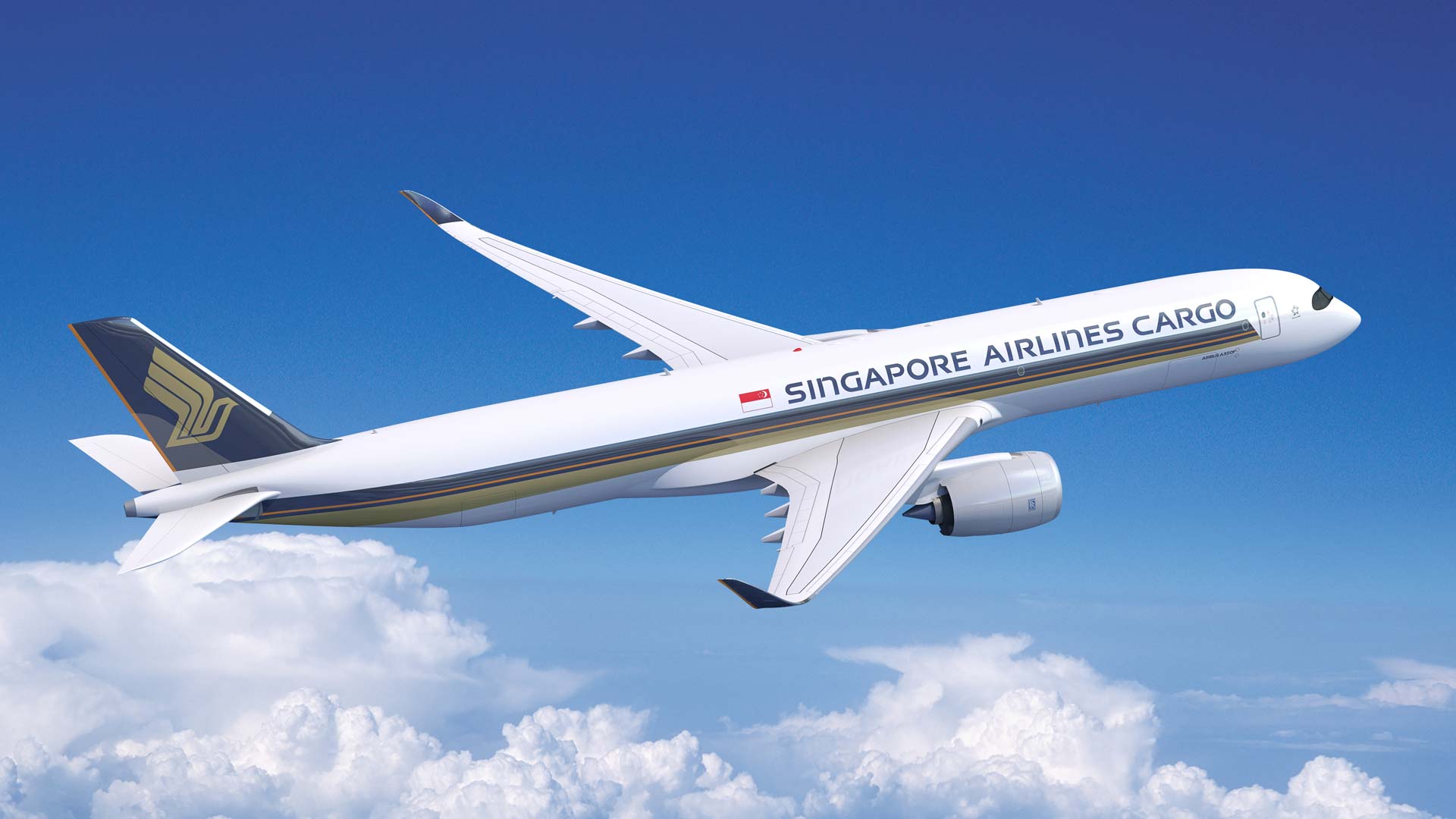
Singapore Airlines and its low cost subsidiary Scoot reported a first fiscal quarter operating profit of S$405 million ($299.7 million), down 13.8% compared to the same period last year.
Revenues were up only 1.5% to S$4.8bn ($3.55bn), while total expenditure was up 3.2% to S$4.4bn ($3.26bn) in the quarter, resulting in its lower operating profit. The company said demand for travel had remained strong despite the economic and geopolitical uncertainties across its network. The rise in expenditures was driven by its 3.7% capacity increase as well as inflationary pressures on its key costs.
The lower operating result, along with lower interest income and share of losses associated with Air India's financial results, which were not part of the company's financial results last year, resulted in its net profits dropping 58.8% to S$186 million ($137.6 million). The company began equity accounting for Air India's financial performance in December 2024 following the full integration of Vistara into Air India.
The company said that with the closure of Jetstar Asia at the end of July, the group is ramping up capacity to destinations across Asia including Malaysia, the Philippines, Sri Lanka, and Thailand. Scoot will begin commencing operations to Labuan Bajo and Medan, as well as Okinawa.
“The group has worked closely with Jetstar Asia to accommodate affected passengers and offer employment opportunities to impacted staff, where possible,” said the company in its results.
For the second fiscal quarter, the airline group said air travel demand remains healthy across most of its route regions given the summer peak demand, though this is amid a background of ongoing market volatility and supply chain constraints. The company said it will be “agile and proactive” in responding to these changing demand patterns.
Additionally, tariff policies led by the US has led to “unpredictable and uncertain demand” for the company's cargo division.
During the quarter, Singapore Airlines carried 6.8 million, up 5.8%, with capacity up 4.2% and load factor up 0.2 percentage points to 86.6%.
Scoot carried 3.4 million, up 9.2%, with capacity flat and load factor up 2.5 percentage points to 91.5%.
As of the end of the quarter, the company had an operating fleet of 204 passenger and freighter aircraft with an average age of 7.9 years. Singapore Airlines comprised of 144 passenger and seven freighter aircraft, while Scoot operated 53 passenger aircraft. During the quarter, Scoot added one A321neo, one 787-8, and one E190-E2 aircraft.
The group's debt to equity ratio was reduced 0.73 after total debt balances fell S$1.4bn ($1bn) to S$11.5bn ($8.51bn) in the quarter. During the period, S$22 million ($16.28 million) of the convertible bonds issued in December 2020 were converted into 48 million ordinary shares. These bonds, which were due to mature in December 2025, bear interest at 1.625% per annum. As of the end of June, S$615 million ($455.1 million) of the convertible bonds remain outstanding.