
Rolls-Royce has been selected by the EU’s Clean Aviation programme to lead one of 12 new projects that aim to decarbonise the aviation industry.
The 12 projects, which include new aircraft concepts and innovative propulsion technologies, will collectively receive about €945m in EU funding.
The British aerospace giant will be leading a consortium of industrial, academic and research partners across Europe and the UK, as part of an initiative known as UNIFIED, or Ultra Novel and Innovative Fully Integrated Engine Demonstrations.
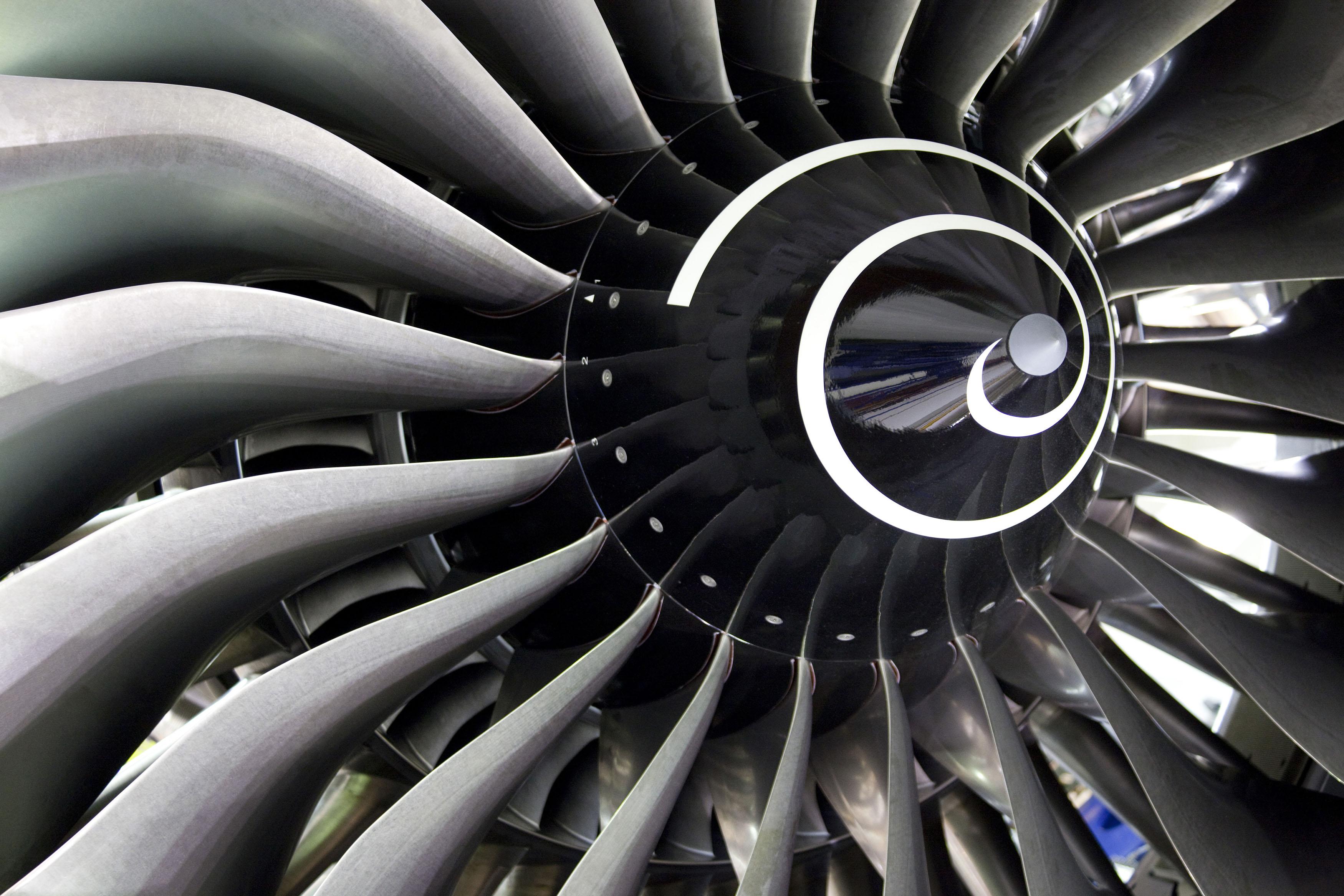
Subject to successful completion of grant preparation, the project will enable ground testing of an UltraFan technology demonstrator at a short to medium range thrust class for future narrowbody aircraft.
It will also enable the preparation of key activities towards future flight testing of the UltraFan architecture.
“UltraFan provides ultra-efficient and credible technology for future narrowbody applications,” said Alan Newby, director of research and technology at Rolls-Royce.
“Within UNIFIED we will demonstrate that we have the relevant, next-generation capability ready to deliver best-in-class performance in thrust, fuel burn, noise, emissions and durability.”
The Clean Aviation Joint Undertaking (CAJU) is the EU’s largest research and innovation programme for transforming aviation towards a sustainable and climate-neutral future.
It is a public-private partnership between the European Commission through Horizon Europe, the EU research and innovation programme, and the European aeronautics industry.
It has a budget of €4.1bn divided into €1.7bn in EU funding and no less than €2.4bn in private funding.
The programme’s disruptive clean aviation technologies aim to help reduce the emission footprint of short-medium range and regional aircraft by no less than 30% compared to 2020.
Based on the programme's timeline and budget, successful technologies are expected to enter into service in 2035.
Clean Aviation builds on the knowledge and expertise generated by the EU's previous Clean Sky programmes, which ran from 2008 to 2024.