
International Airlines Group (IAG) — owner of Aer Lingus, British Airways, Iberia, LEVEL, and Vueling — reported robust first half profits, citing continued strong demand for air travel across its brands as a key driver.
Profit after tax jumped 43.8% to €1.3bn and operating profits were up 43.5% to €1.9bn. Total revenues for the period were up 8% to €15.9bn.
For the second quarter period, the company’s revenues were up 6.8% to €8.9bn, with operating profits climbing 35.4% to €1.7bn. Profit after tax for the quarter was up 23.8% to €1.1bn.
IAG’s chief executive Luis Gallego said the strong confidence reflects the “resilience of demand for travel and the success of our ongoing transformation”. He added that the company is benefiting from the trend of a “structural shift in consumer spending towards travel”.
British Airways reported a first half operating result, before exceptional items, of £824 million, climbing £269 million. First half revenues were up 4.6% to £7bn, with passenger revenues up 4.1% to £6.6bn. The airline’s operating margin improved 3.5 percentage points to 11.7% despite a £50 million impact from the fire that closed Heathrow for a day in March. The airline’s capacity was up 2.1% in the period.
“Improvement in profit was driven by strong demand in the North Atlantic market and lower fuel prices and favourable currency exchange,” management said in its earnings call.
However, British Airways had seen a decline in volume, though revenue almost flat, for business and corporate travel. The company had seen “some volatility” in North America point of sale amid the US-led tariff conflict.
Aer Lingus revenues climbed 11.6% to €1.2bn, with passenger revenues up 12% to €1.1bn. Operating margin improved six percentage points to 6.8% and operating result was up €71 million to €80 million. Capacity improved 8.6% in the first half.
Iberia’s revenues were up 11.4% to €3.9bn, with passenger revenues up 4.9% to €2.9bn. Operating results improved €202 million to €564 million and operating margin climbed 4.1 percentage points to 14.5%. Management said the airline was “continuing its excellent trajectory” with strong demand, particularly in south Atlantic. Capacity improved 1.2%.
Vueling reported flat revenues at a negative 0.2%, totalling €1.5bn. The airline’s operating result dropped €2 million to €95 million.
The company said it has now allocated its order for 50 737s to Vueling, which are scheduled to be delivered from late 2026.
“The intention is that at the end of the process to replace the full fleet of Vueling with Boeing products,” said Gallego. “That is going to be dependent on the performance of Vueling and that Vueling complies with the plans that we have. This is going to be a long period because we are talking about a lot of aircraft… maybe six years of replacing aircraft.”
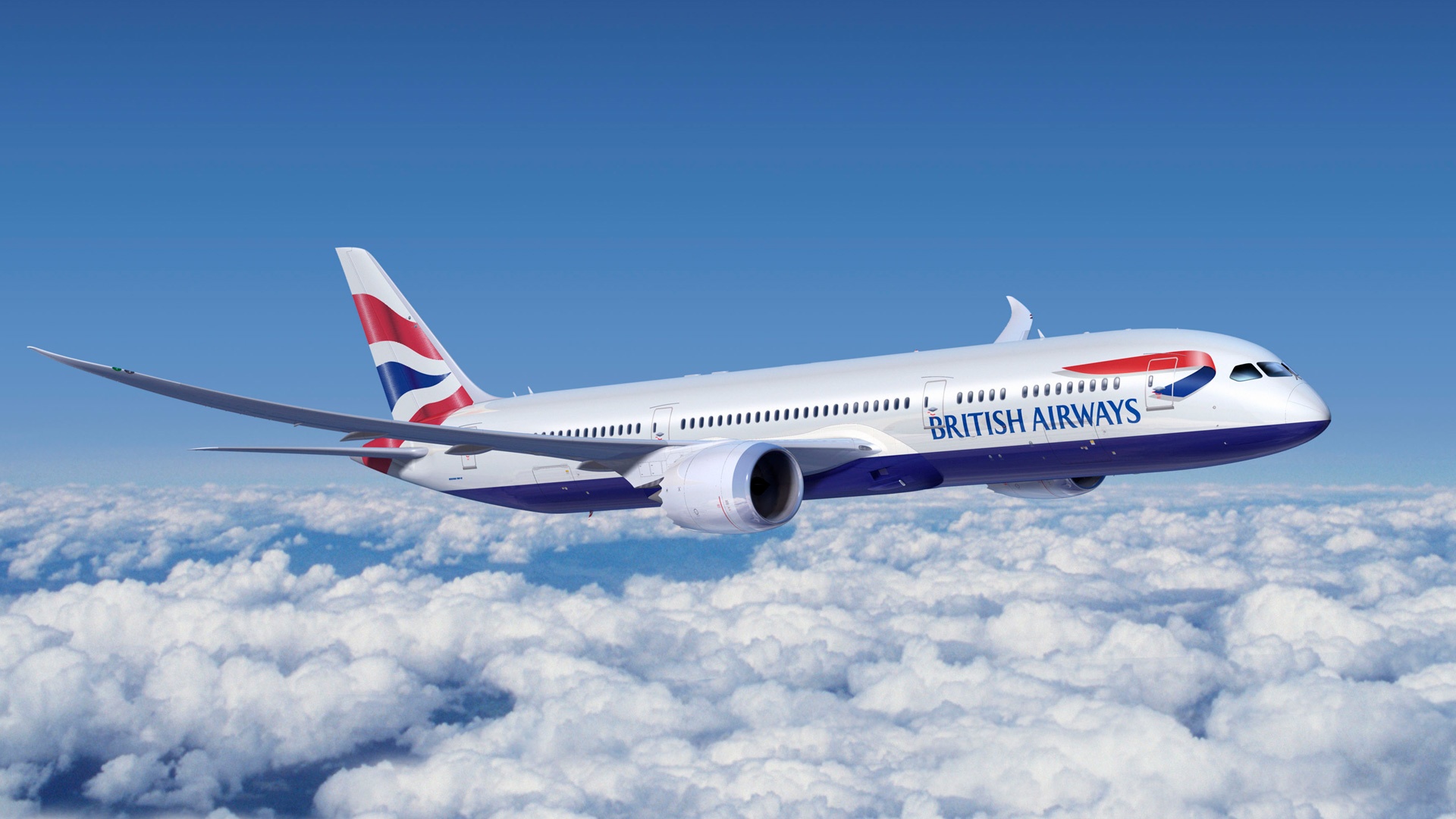
During the first six months of the year, the company received 13 new aircraft as expected. This included eight A320neo family to British Airways and Aer Lingus for replacement, and another four A321XLR to Iberia and Aer Lingus. Additionally, British Airways took delivery of one 787-10 jet.
The company now expects to take 25 new aircraft deliveries this year, one fewer than expected as a result of one XLR delivery being pushed into next year.
Gallego said the company is waiting for the Portuguese government to formalise the terms of the TAP Air privatisation, so the IAG has “clear indications about how the process is going to be and its conditions” before a potential stake acquisition.
He reaffirmed the company was interested in TAP.
“We think that the best place to develop TAP is a group like IAG,” he continued. “We have shown how the different airlines that join our group, they improve their performance. We also see that without a very complementary network and also an Atlantic location, we think that’s something that is good for TAP’s development.
“We need to wait and see the condition. If we cannot obtain the margins that we have in the group – between 12 and 15% in the different airlines – and if we don’t have the freedom to develop the business… that is going to be the main concern for us in this process.”
The company’s loyalty revenues under IAG Loyalty improved 9.4% to €1.2bn, while operating results dropped €2 million to €191 million. Operating margin dropped 1.7 percentage points to 15.9%. However, the company said IAG Loyalty operating profit was impacted by the UK’s tax office’s decision in October last year.
His Majesty’s Revenue and Customs (HMRC) tax office in the UK had decided last year for appropriate VAT accounting to be applied by IAG Loyalty. As a result, the company must apply 20% VAT on Avios point when they are issued as a charge for running a loyalty programme. This applies regardless of what the Avios points are later redeemed for. The company said it had previously applied VAT based on what Avios were used for, of which the “vast majority of which are flights” which are zero-rated.
“Having reviewed HMRC’s decision letter… [IAG] strongly disagrees with HMRC’s view,” the company read in its report.
On pre-HMRC basis, operating profit would have been €210 million, representing a €17 million increase.
The company’s net debt at the end of June was €5.5bn and its net leverage had improved further to 0.7x, compared with 1.1x at the end of last year.