

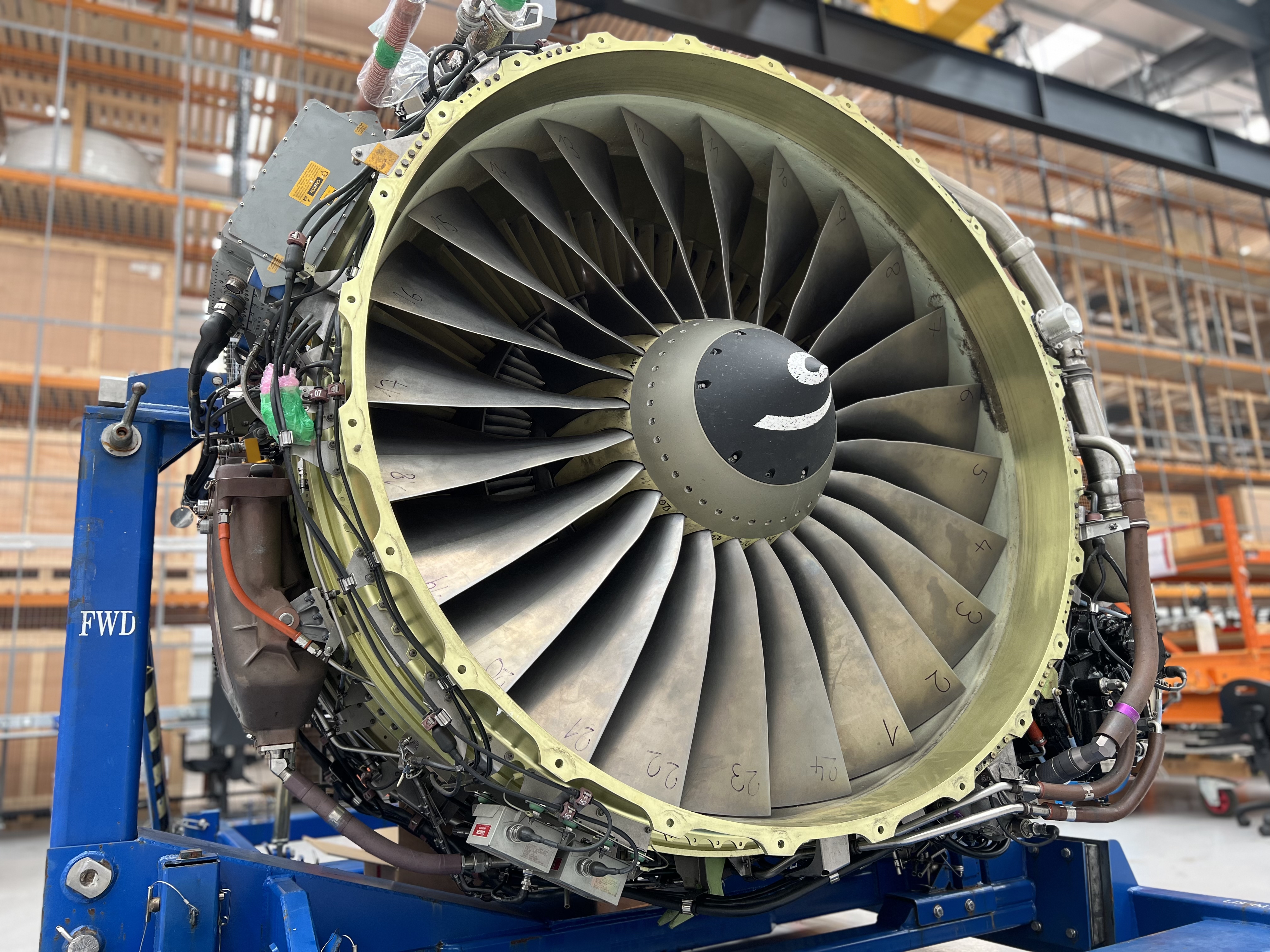
Private jet owners are set to profit from a fast-growing niche in engine leasing into 2026 and beyond, as OEMs fail to keep pace with demand, contributing to shortages and rising lease rates.
Once seen as an expensive and depreciating liability, aircraft engines are quickly evolving into productive assets for private jet owners.
Laura Uberoi, head of private wealth finance at Addleshaw Goddard, said the concept of renting out a private jet engine would have seemed “unusual” only a decade ago.
But in recent years, due to supply challenges and rising engine values, these “high-cost lifestyle assets” are now capable of generating "meaningful" returns.
“The engine leasing market is the latest example of how sophisticated owners can unlock value from assets that once simply cost money to maintain,” she said.
“Private aviation clients are increasingly managing aircraft as part of a broader investment portfolio.
“Where liquidity, tax efficiency or market imbalance create opportunity, they’re acting quickly.”
Labour shortages, parts delays and rising maintenance costs since the pandemic have left many aircraft grounded for months.
This has created a new market for private jet engine leasing, as owners lease their engines to other operators who are facing long repair timelines.
By the end of 2025, the International Air Transport Association (IATA) and Oliver Wyman estimate that global airlines will face an additional $11bn in costs due to supply chain disruptions.
This includes an estimated $2.6bn in costs directly related to leased engines while aircraft are under repair.
At the same time, aviation analytics firm IBA estimates that engine lease rates have risen by up to 25% since 2019.
Average lease rates on the CFM56-7B have risen from $75,000 per month to over $100,000, says IBA, while lessees of the LEAP-1A26 are now paying more than $125,000 per month.
The IBA also forecasts a 40% increase in global engine shop visits between 2024 and 2025, highlighting a continued maintenance backlog.
In business aviation, according to Global Jet Capital, flight activity is up around 15% compared to 2019, but the global fleet has grown only 7% — a mismatch that is driving demand for spare engines.
“With high utilisation rates, long repair cycles and intensifying demand for exchange engines, analysts expect this niche leasing market to continue expanding into 2026,” said Addleshaw Goddard.
“The trend continues even as engine manufacturers such as Safran and Rolls-Royce invest heavily in new repair and overhaul capacity.”