

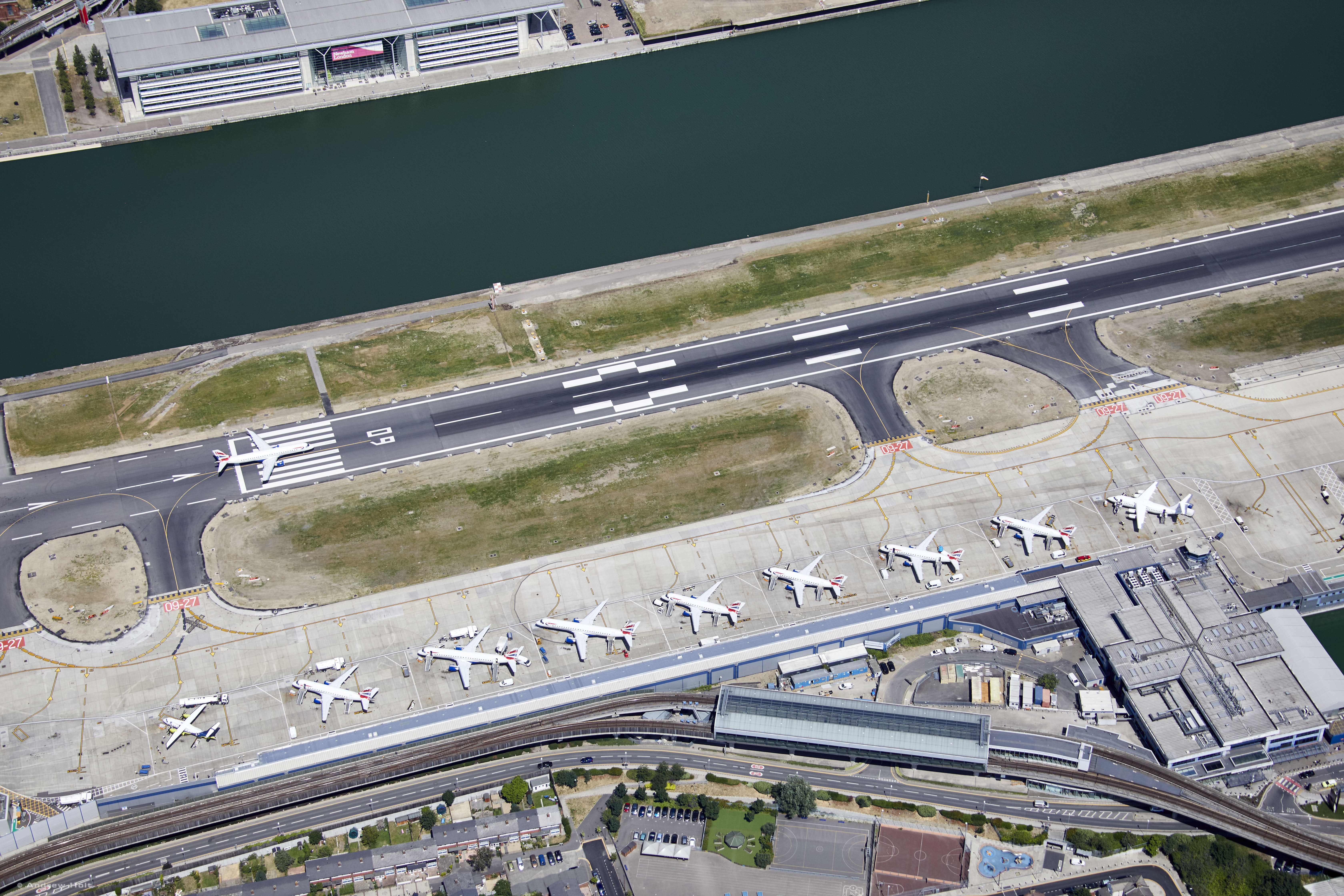
Macquarie Asset Management has agreed to acquire an additional 50% equity stake in London City Airport, giving it majority control of the UK capital’s most centrally located airport.
The acquisition takes Macquarie’s total ownership in London City Airport to 75%, following its acquisition of a 25% stake in June this year.
The 50% stake was acquired from Alberta Investment Management Corporation and OMERS - two Canadian pension funds - and the 25% was acquired from Ontario Teachers’ Pension Plan. Terms of these deals were not disclosed.
London City Airport currently handles more than 50,000 flights per year, serving over 30 destinations across the UK and Europe.
In a statement, Macquarie said the airport is “well-positioned to grow”, after receiving UK government approval in August 2024 to increase its annual passenger traffic to 9 million, up from 6.5 million.
In January this year, to accommodate increased passenger traffic with fewer flight movements, the airport also applied to the Civil Aviation Authority (CAA) for approval to operate the A320neo.
“The potential introduction of new aircraft is expected to expand the range of leisure destinations offered by London City Airport as well as accelerate the transition of airlines’ fleets to more sustainable, quieter, new-generation aircraft,” said Macquarie.
Macquarie is a major investor in airports globally, with previous investments in Australia, Belgium, Italy, Denmark, Ecuador, Colombia and elsewhere in the UK.
In June this year, Macquarie acquired a 55% stake in Bristol Airport and a 26.5% stake in Birmingham Airport.
Last year, after a decade of ownership, Macquarie divested from AGS Airports, owner and operator of the primary airports serving Aberdeen, Glasgow and Southampton.
During its ownership, Macquarie and co-owner Ferrovial invested £250 million on upgrades across these airports.
Macquarie Group has operated in the UK for more than 35 years and has invested and arranged more than £65 billion in UK infrastructure since 1999.
In October 2024, Macquarie announced its intentions to invest a further £20 billion in UK infrastructure.