

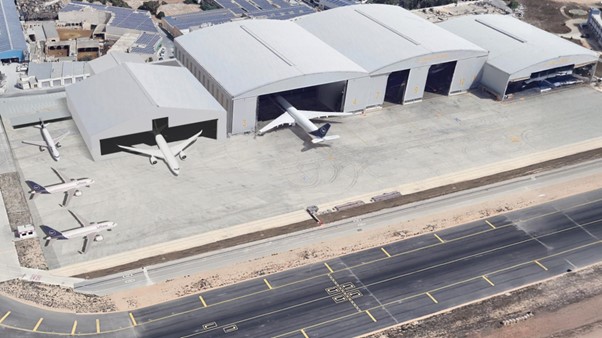
Lufthansa is preparing for a significantly tougher operating environment as fuel costs rise and supply constraints build up, with chief executive Carsten Spohr warning that up to 40 aircraft could be grounded under crisis scenarios, according to an article in German publication Spiegel Wirtschaft on March 31.
Speaking to staff, Spohr outlined two potential measures in response to the escalating Iran conflict. In the first scenario, 20 aircraft would be temporarily decommissioned, reducing capacity by 2.5%. In a more severe case, this would double to 40 aircraft, cutting capacity by 5%. No final decision has been taken, but the airline is preparing both options.
The aircraft most likely to be grounded include older, less fuel-efficient models such as the Airbus A340-600, Boeing 747-400 and Canadair Regional Jets. Lufthansa had previously planned 4% capacity growth in 2026, which Spohr indicated is now unlikely.
Fuel costs and availability are central to the outlook. Lufthansa had budgeted €7bn ($8.05bn) for fuel in 2026, with 80% hedged. The remaining 20%, around €1.4bn, would rise to €2.8bn if oil prices doubled. Spohr warned that higher costs would push up ticket prices, potentially reducing demand.
The airline is also monitoring fuel supply constraints, particularly in Asia, where airports in Singapore and Bangkok are already rejecting additional flights to conserve reserves. Spohr outlined three escalation levels, including the risk, currently seen as unlikely, of shortages at major European hubs such as Frankfurt, Munich, Zurich, Vienna, Brussels and Rome.
The disruption stems from tensions around the Strait of Hormuz, through which between 20% and 25% of global oil flows, adding that elevated prices could persist into 2027.
Despite the outlook, Lufthansa plans to submit a non-binding bid for a stake in TAP Air Portugal by the April 2 deadline as part of its longer-term strategy.