
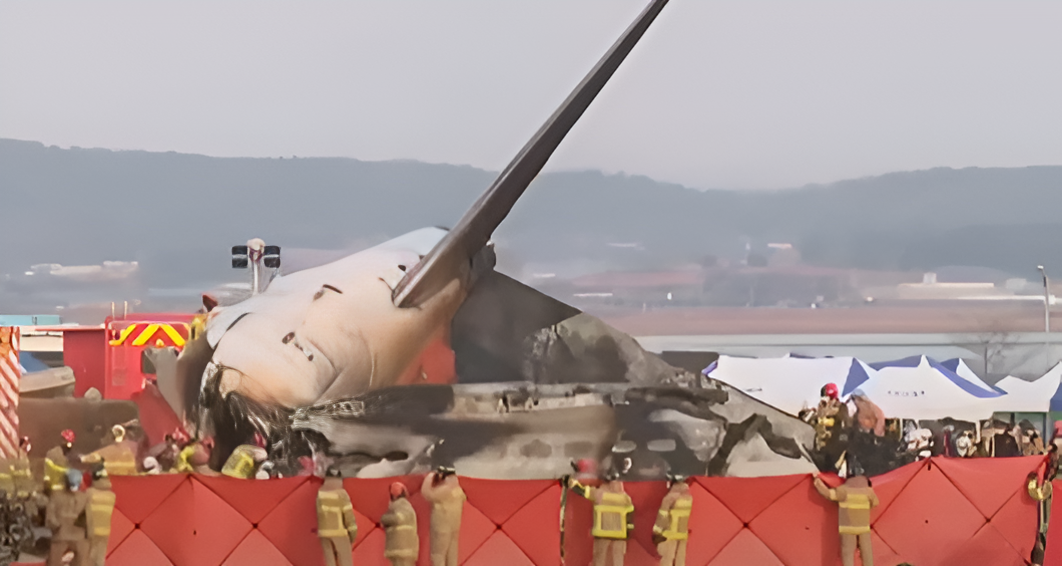
Jeju Air's CEO Kim E-bae, as well as the company's largest shareholder Aekyung Group, are reportedly facing criminal charges after the Jeju Air crash in December last year, according to a person familiar with the matter. However, no formal charges have yet been made public or known.
South Korean police said in early January that Kim was banned from leaving the country, shortly after the crash which claimed the lives of 179 people.
Local outlets reported that Jeju Air would reduce its capacity by 10-15% for the remainder of the winter season amid the probe into the crash.
The crash has raised questions surrounding Jeju Air's current fleet renewal efforts.
The airline had plans to undergo its fleet renewal, replacing its 737-800s with 737 MAX 8 aircraft, powered by LEAP-1B engines. The company emphasised the fuel efficiency and maintenance efficiency of the aircraft in its 2024 report, published on February 10, 2025. Jeju Air had ordered 40 737 MAX 8 aircraft, with options for 10 more. The airline took delivery of its first 737 MAX 8 in late 2023.
In addition, local outlet The Korea Herald reported that the airline is facing cost pressures with a sharp slowdown in ticket revenues following the crash. The outlet further reported that Aekyung Group faced a consumer boycott over the incident, as well as surrounding the group's humidifier disinfectant product scandal. The product was linked to injuries to 98 consumers between 2002 and 2011 — 12 of whom died from the injuries.
Airline Economics has contacted both Jeju Air and Aekyung Group for comment.