

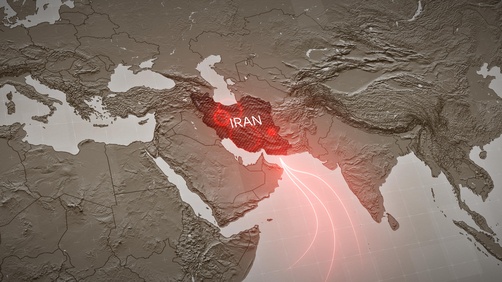
Hopes are growing that the global jet fuel crisis could begin to ease after Iran declared the Strait of Hormuz open to commercial shipping during a temporary ceasefire, a move that could restore critical energy flows to global markets. However, the US is reportedly not yet ending its blockade on Iranian ports.
The reopening of the vital waterway, through which around a fifth of global oil supplies typically pass, comes after weeks of disruption that had pushed fuel prices sharply higher and left parts of the aviation industry under severe strain.
The news saw oil prices plunge over 10% following the announcement, dropping below $90 per barrel, while airline stocks rallied. Shares in JetBlue shot up 11%, SouthWest Airlines rose 10%, Lufthansa 7%, and IAG over 6% immediately after the announcement.
The potential reopening is particularly significant for airlines, many of which have been forced to introduce fuel surcharges, cut routes and reduce capacity as jet fuel costs surged. Europe had been estimated to be within six weeks away from critical jet fuel shortages, raising fears of widespread flight cancellations and further disruption to global travel.
However, uncertainty remains. While Iran said vessels can now transit the strait, albeit via designated routes, US President Donald Trump indicated that a US naval blockade of Iranian ports remains in place pending further negotiations. The situation follows a fragile ceasefire linked to ongoing tensions involving Israel and Lebanon, with talks between US and Iranian officials expected to continue.
Any sustained reopening would also provide major relief to Gulf states, which have faced significant constraints on exporting energy products during the disruption, as well as to their airlines, many of which have been forced to operate at reduced capacity due to fuel supply pressures, disruption to major routes and threat of seeing their aircraft and facilities damaged by Iranian drones and missiles.
Despite the positive market reaction, analysts caution that a lasting resolution will depend on whether the ceasefire holds and whether the US and Iran can reach a broader agreement to fully restore shipping flows through one of the world’s most critical energy corridors.