

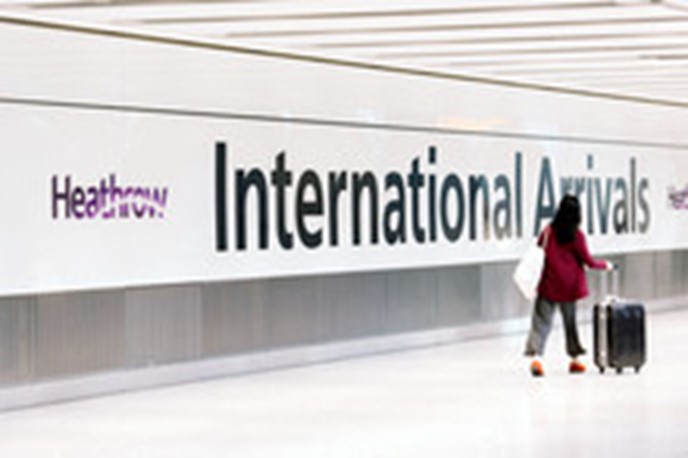
Heathrow Airport is supporting airlines and passengers as airspace closures across the Middle East continue to reshape global travel patterns, with the hub reporting a 10% increase in transfer passengers as traffic is redirected.
The airport handled 6.6 million passengers in March, marking year-on-year growth despite ongoing disruption. Heathrow said demand had shifted across its long-haul network as airlines adjusted routes and schedules in response to the conflict.
While Heathrow has absorbed some of the displaced demand, growth remains constrained by full runway slot capacity, limiting its ability to expand further compared with European competitors.
The airport said wider impacts from the crisis, including pressure on global supply chains and fuel markets, have not disrupted its operations so far. However, it warned that the outlook for the coming months remains uncertain and said it is working closely with airlines and government authorities to manage the situation.
Chief executive Thomas Woldbye said: “We’re doing everything we can to support airlines and passengers as travel trends shift during the Middle East crisis,” adding that while Heathrow has absorbed additional demand, “the outlook for the next few months remains uncertain.”
Heathrow also highlighted continued passenger service performance, noting recent industry recognition in international airport rankings, as it adapts to shifting travel demand during the ongoing geopolitical disruption.