

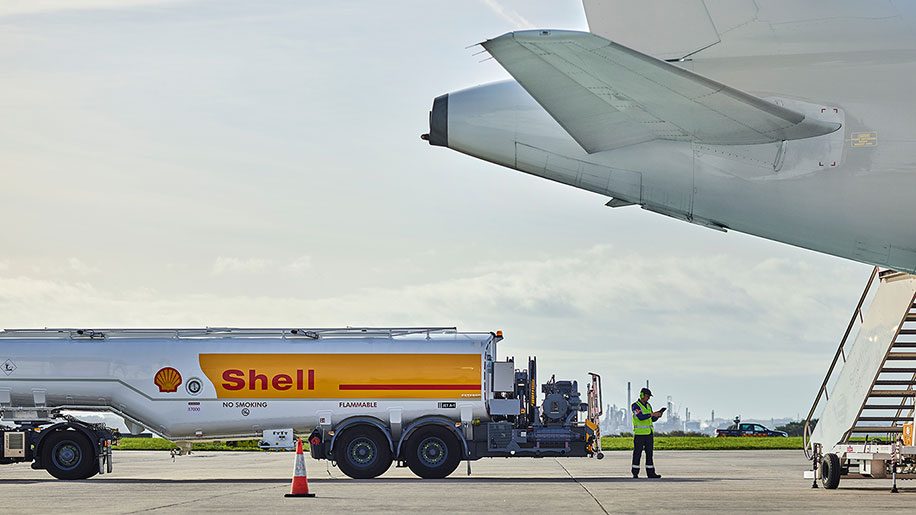
Airlines and airports around the world are taking increasingly drastic measures to manage a deepening jet fuel crisis, with supply shortages and surging prices forcing operational changes across Europe, Asia and the U.S. according to media reports.
Even some airports are now starting to ration fuel. In northern Italy, Milan Linate, Bologna, Venice and Treviso have introduced emergency restrictions following a contraction in fuel stocks. Short-haul aircraft are limited to around 2,000 litres per flight, enough for less than one hour of flying for aircraft such as Boeing 737s and Airbus A320s, while priority is being given to long-haul, medical and state flights.
The restrictions, which are expected to remain in place until at least 9 April, are designed to preserve reserves for essential services. They have already begun to reshape operations, with some domestic routes unable to operate without refuelling at alternative airports.
Airports and operators have sought to contain concerns, with some officials describing the issue as linked to a single supplier and emphasising that intercontinental flights remain unaffected. However, the introduction of fuel rationing is a clear sign that the crisis is moving from price pressure to physical supply constraints.
Meanwhile, UK airports have been flagged by some media sources as the most vulnerable to jet fuel shortages should the blockage of the Strait of Hormuz persist.
Other airports are faring better, such as iGA Istanbul Airport. In response to enquiries from Airline Economics a spokesperson said: “We can confirm that our jet fuel stocks are at optimal levels and our operations continue seamlessly without any disruption.” They added that the airport maintains robust supply chain strategies and comprehensive contingency plans to ensure a steady fuel supply under all market conditions.
Asian airlines taking tough measures …
Beyond Europe, airlines are adopting a wide range of operational responses to manage the shortage. In Asia, carriers are cutting schedules, adding refuelling stops and carrying additional fuel on board aircraft - a practice known as tankering - to mitigate supply risks at destination airports.
Several airlines have already begun reducing capacity. Vietnam Airlines has suspended domestic routes and signalled further reductions of 10% to 20% in flight volumes if fuel prices continue to rise, while other regional carriers including Vietjet Air and Bamboo Airways are also scaling back services.
Low-cost carriers are responding with a mix of cuts and price increases. AirAsia has reduced flights by around 10%, increased fuel surcharges by up to 20% and raised ticket prices by between 30% and 40% in an effort to offset rising costs.
…. And Europe too
In Europe, airlines are preparing for further disruption as supply tightens. Scandinavian Airlines plans to cancel around 1,000 flights, primarily on short-haul routes, while Lufthansa is developing contingency plans that could see up to 40 aircraft grounded.
Ryanair has warned that fuel supply disruptions could begin to affect Europe as early as May or June if the conflict continues, and is already reviewing its network and monitoring fuel availability at airports on a daily basis.
Reducing capacity
Elsewhere, Air New Zealand plans to cut around 5% of its flights from May, while United Airlines is reducing unprofitable routes over the next two quarters as it responds to higher fuel costs.
The financial impact is significant. United Airlines has estimated that current fuel prices could add $11bn to its annual costs, highlighting the scale of the pressure facing carriers as jet fuel, which typically accounts for about 25% of operating costs, becomes both more expensive and harder to secure.
At the same time, airlines are passing costs on to passengers. Carriers including Air France-KLM, Cathay Pacific and Thai Airways have raised fares or introduced fuel surcharges, with Cathay Pacific increasing surcharges by 34% from April 1 and Thai Airways flagging fare increases of 10% to 15%.
These measures reflect a broader shift across the industry, where airlines are balancing cost control with demand management. Analysts note that aviation is particularly sensitive to fuel price increases, as higher costs are quickly reflected in ticket prices, which can in turn reduce demand
.
Growing fuel crisis
The crisis is being driven by a sharp tightening in global oil supply linked to the conflict in the Middle East, which has disrupted flows through the Strait of Hormuz, a key route for global energy shipments. Oil prices have risen above $100 per barrel, while jet fuel prices reached around $195 at the end of March, nearly double levels seen just weeks earlier.
Around 10m barrels per day of oil supply has been removed from global markets, creating a shortfall that is increasingly difficult to offset. The International Energy Agency has warned that losses could accelerate further, with shortages expected to spread from Asia to Europe in the coming months.
As the situation worsens, airlines are also making structural adjustments to their networks. Ryanair is reducing routes across several European markets, including Spain, Germany, France, Portugal and Belgium, citing rising costs and operational pressures.
The cuts include withdrawing from certain regional airports, reducing capacity on lower-traffic routes and focusing operations on markets where demand remains strong and costs are more manageable.
Media sources indicate that, unless supply conditions improve or demand falls significantly, the aviation sector could face further disruptions in the coming months, with more cancellations, higher fares and tighter capacity across global networks.