
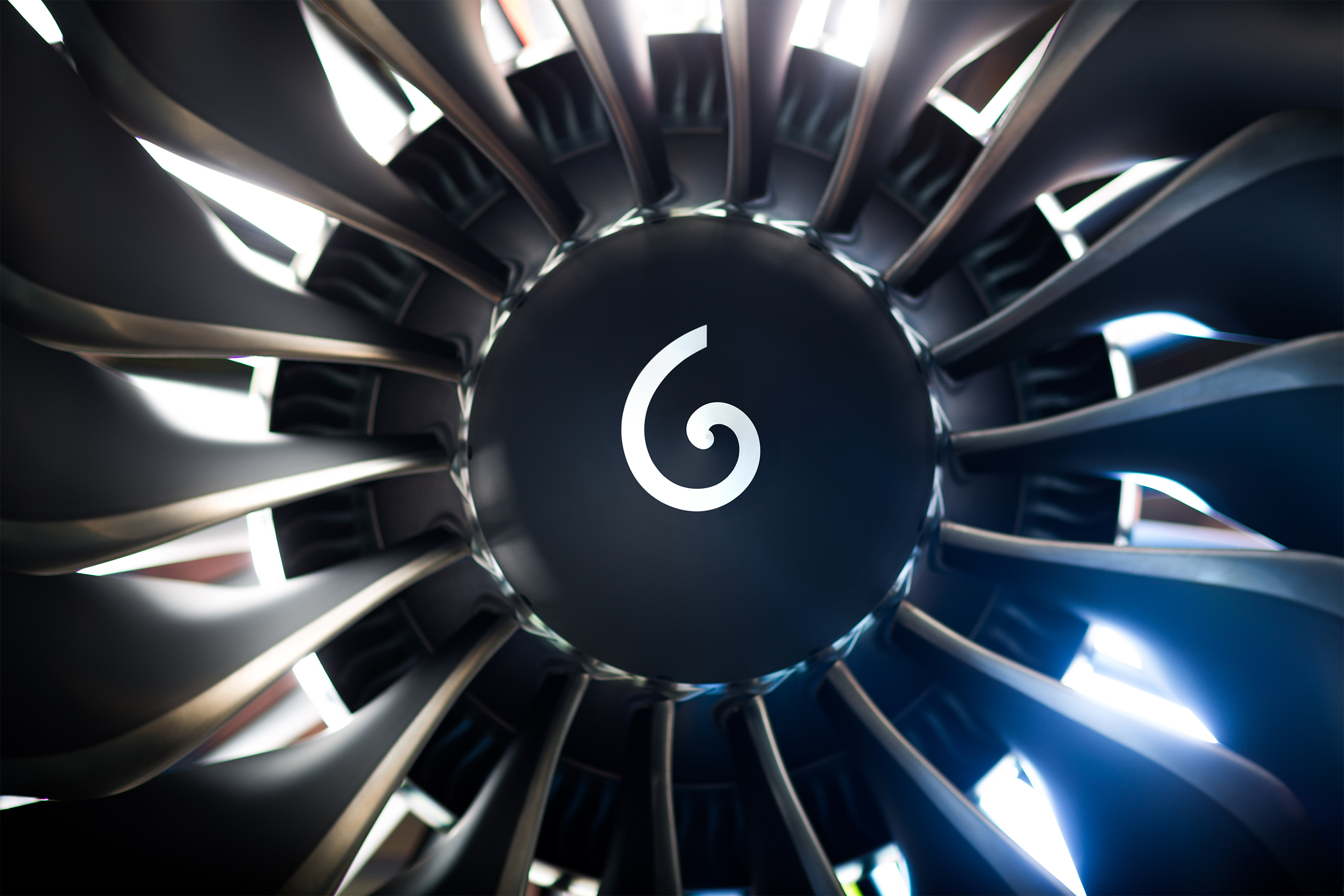
Aircraft engine supplier GE Aerospace CEO Larry Culp said supply chain improvements are supporting the company’s expectations for LEAP engine deliveries to grow 15-20% this year.
“We knew that we were going to have a slower start than any of us would have wanted in 2025, but… in terms of LEAP deliveries, growing in the 15-20% range continues to be what we believe we will do in 2025,” said Culp, speaking at the Bernstein Strategic Decisions conference on May 28, 2025. “It’s all about the supply chain dynamics… with the supply base, we’re really encouraged by the sequential improvement that we’ve seen in our deliveries from our critical suppliers.”
The company’s deliveries from these suppliers improved double digits in April and May.
“The suppliers have been our focal points are now delivering to us 95% of the time to their commitments, and that’s delivering twice as much as they were doing a year ago,” said Culp. “We’re getting to a more predictable fashion that really sets us up here in the second quarter to have a very strong year over year improvement.”
As Boeing ramps up production this year, Culp said GE Aerospace is making sure it is “completely in sync” with the US aircraft assembler.
He added that Boeing will reach its production rate on the MAX family of 38 per month “before too long”, as the company works through its substantial inventory.
“We feel very good about the way we are collaborating with Boeing,” he added. “We want to do everything we can to support that ramp up, not only on the MAX, but the 787 as well.”
Despite the optimism, however, the company anticipates a $500 million impact in 2025 from tariffs as the US Trump administration continues to steer ahead in its trade war.
“We intend to offset that, which is why we were able to hold the guide as opposed to taking it out,” he explained.
Culp added that around 70% of the company’s commercial engine segment revenues are driven by its “repeatable, predictable, recurring services” for older aircraft.
During the conference, Culp also noted the continued durability improvements to the LEAP engine, particularly on the LEAP-1A engine, with the upgrades approved at the end of last year and being implemented throughout this year, he said the LEAP engine will “more than double” time on wing. The engine is expected to go from 3,000 cycles to 8,000 cycles following the durability improvements.
A recent Bloomberg Intelligence report said the contaminated powdered metal issues found within Pratt & Whitney’s geared turbofan (GTF) engines has created an opening for the LEAP engine, creating a wider market share for GE and Safran’s jointly developed engine.
GE Aerospace signed an agreement with Qatar for over 400 engines, including 60 GE9X and 260 GEnx, as well as additional options and spares in conjunction with the airline’s massive order for up to 210 Boeing widebody jets.