

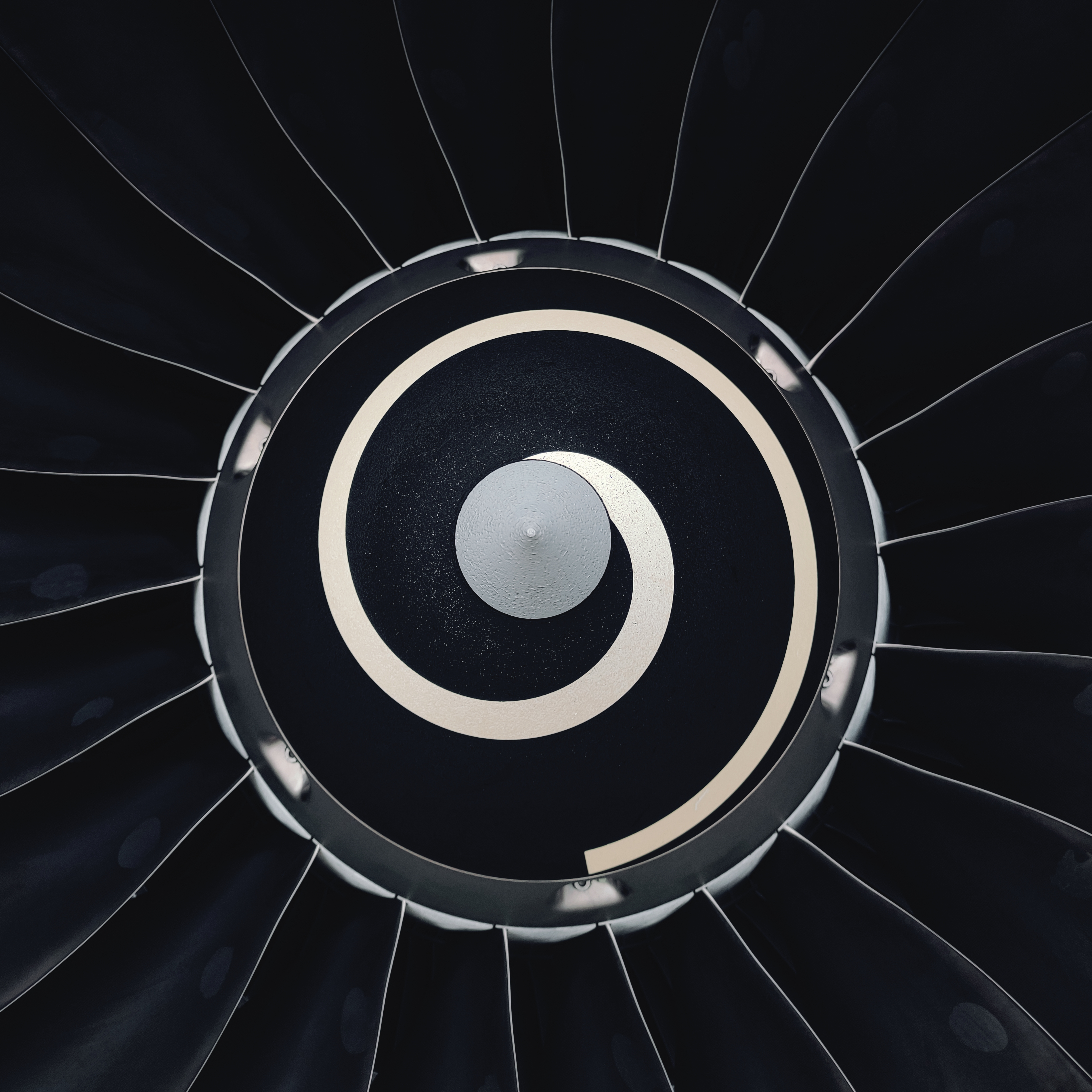
FTAI Aviation has announced the launch of FTAI Power, a new platform for converting CFM56 engines to power turbines.
FTAI Power aims to provide the “most flexible, cost-efficient, and scaled solution” for delivering reliable energy to data centres globally.
As one of the largest owners and aftermarket maintenance providers of the CFM56, FTAI believes that it is "uniquely positioned” to bring a new power turbine to market through FTAI Power, and production is expected to begin in 2026.
Joe Adams, chairman and CEO of FTAI, said the CFM56 engine market is the largest and most reliable in the world, making it an “ideal candidate” for aeroderivative conversion, which will further extend the engine’s lifespan.
“After over a year in development, we plan to begin production of the FTAI Power aeroderivative using our proprietary conversion architecture, offering the market an alternative to address the unprecedented need for electricity,” he said.
FTAI has over 1 million sq. ft of maintenance facilities globally and a multi-billion dollar engine portfolio.
David Moreno, the company's COO, said FTAI power is built on the core belief that “the future is electric” and that the CFM56 will play a key role in delivering much needed power to rapidly growing industries.
“The accelerating demand from AI hyperscalers has created an urgent need for immediate power solutions,” he said.
“We believe FTAI Power will be a critical partner for the AI economy, which requires unparalleled amounts of electricity faster and in a more flexible format.”
The aeroderivative adapted from the CFM56 engine will provide the market with a 25-megawatt unit that offers grid operators greater flexibility and finer output control than larger units.
With over 22,000 CFM56 engines produced, the power turbine will aim to bring a more scaled alternative to the market.
FTAI sees a strategic niche for its converted power turbine, as many sectors currently face multi-year backlogs to secure power solutions.
“We believe FTAI Power will have the capacity to deliver over 100 units annually and provide service support solutions that maximise uptime by applying its modular maintenance model to power turbines,” the company said.