

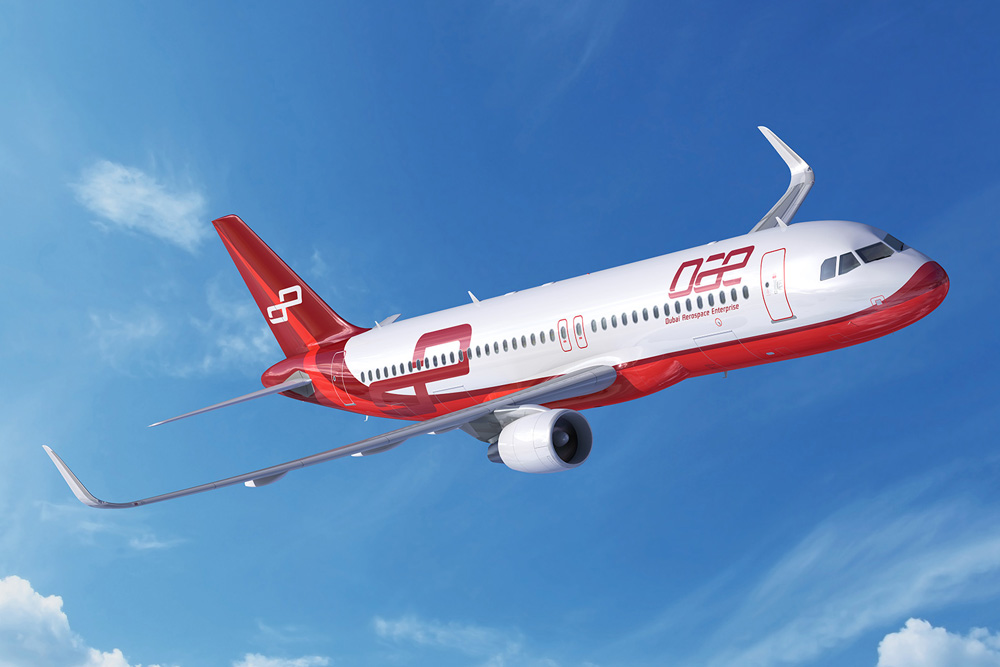
Dubai Aerospace Enterprise (DAE) priced its $610 million aviation asset backed securities (ABS) transaction Navigator 2025-1 on September 17, 2025.
The deal has an anticipated repayment date of October 2032 and a legal maturity date of October 2050. The transaction comprises of two tranches: A and B notes.
The A notes total $500 million and has an initial loan to value (LTV) ratio of 68.1% with a 5.107% coupon. The A tranche has a spread of 155 basis points and a yield of 5.162%. The tranche has a weighted average life (WAL) of 4.8 years and was rated A by KBRA and Fitch, and A2 by Moody's.
The B notes total $110 million and has an initial LTV ratio of 83.1% with a 5.894% coupon. The B tranche has a spread of 235 basis points and a yield of 5.967%. The tranche has a WAL of 4.9 years and was rated BBB by both KBRA and Fitch, as well as Baa2 by Moody's.
Prior to the closing date, an E note will be issued only to Navigator, with no E note or Class C notes offered with the issuance.
Navigator 2025-1 represents the eighth aviation ABS transaction serviced by DAE. The deal is also the third aircraft operating lease ABS transaction issued by the Navigator platform, which is a co-investment between DAE and certain funds managed by PIMCO.
Proceeds will be used to acquire a portfolio of 23 assets. The portfolio consists of 22 narrowbodies and one widebody, representing 89.5% and 10.5% of the portfolio’s value, respectively. The aircraft are on lease to 16 lessees in 13 jurisdictions. As of the end of June, the portfolio’s weighted average age is around 8.2 years and a weighted average remaining term of the initial lease contracts of around 5.5 years. The portfolio has an initial value of around $718.2 million, based on three third-party appraisers, which were then adjusted for actual maintenance conditions and specifications.
The deal’s structure includes early cash flow protections, including a minimum of at least eight assets owned or excess cash will begin to be used to pay down notes, accelerated three-month DSCR triggers, and utilised tests. The structure includes security deposit used to cover senior expenses and shortfalls in interest and principal on the note, as well as a nine-month liquidity facility.
The assets in the portfolio will be transferred to the Navigator Group upon closing and there is no delivery period in the current transaction as a result.
“Typical aviation lease ABS transactions have delivery periods which can extend up to one year from the closing date,” KBRA read in its report. “The delivery period introduces risk that the composition of the Portfolio could change post-closing since the issuer is still in the process of finalising the purchase of the aircraft and/or engine. KBRA views the Navigator Groups’ expectation that the Navigator Group will acquire 100% of the portfolio at closing as a credit positive relative to other aviation ABS lease transactions as it reduces the risk that the complete Portfolio will not be fully transferred to the transaction.”
The portfolio is comprised of nine new generation aircraft, including five 737 MAX 8, two A321neo, an A320neo, and an A330neo. The weighted average age of these new technology aircraft are 4.9 years and the remaining lease term is around 6.9 years.
The remaining aircraft in the portfolio includes six 737-800s and eight A320-200s.
The top three lessees make up 37.1% of the portfolio by value. AeroMexico are at the top with 17.9%, followed by TAP Air Portugal at 10.5%, and Xiamen Airlines with 8.7%. KBRA said this concentration is lower than other transactions it has rated. The top three countries make up 44.4% of the transaction, including Mexico at 21.3%, UAE at 12.1%, and China at 12.1%. The lessees all pay in US dollars.
Lead structuring agent and joint lead bookrunner was Mizuho Securities USA.
Mizuho ran a virtual and in-person roadshow with key investors and pre-marketed the deal despite a crowded market to build familiarity with the portfolio and key innovations in the deal. This strategy had allowed the portfolio to be secure tight pricing with strong momentum ahead of the Fed's rate decision.
Co-structuring agents and joint lead bookrunner were BNP Paribas Securities and Citigroup Global Markets. Credit Agricole and Investment Bank acted as liquidity facility provider. Citibank acted as trustee.