
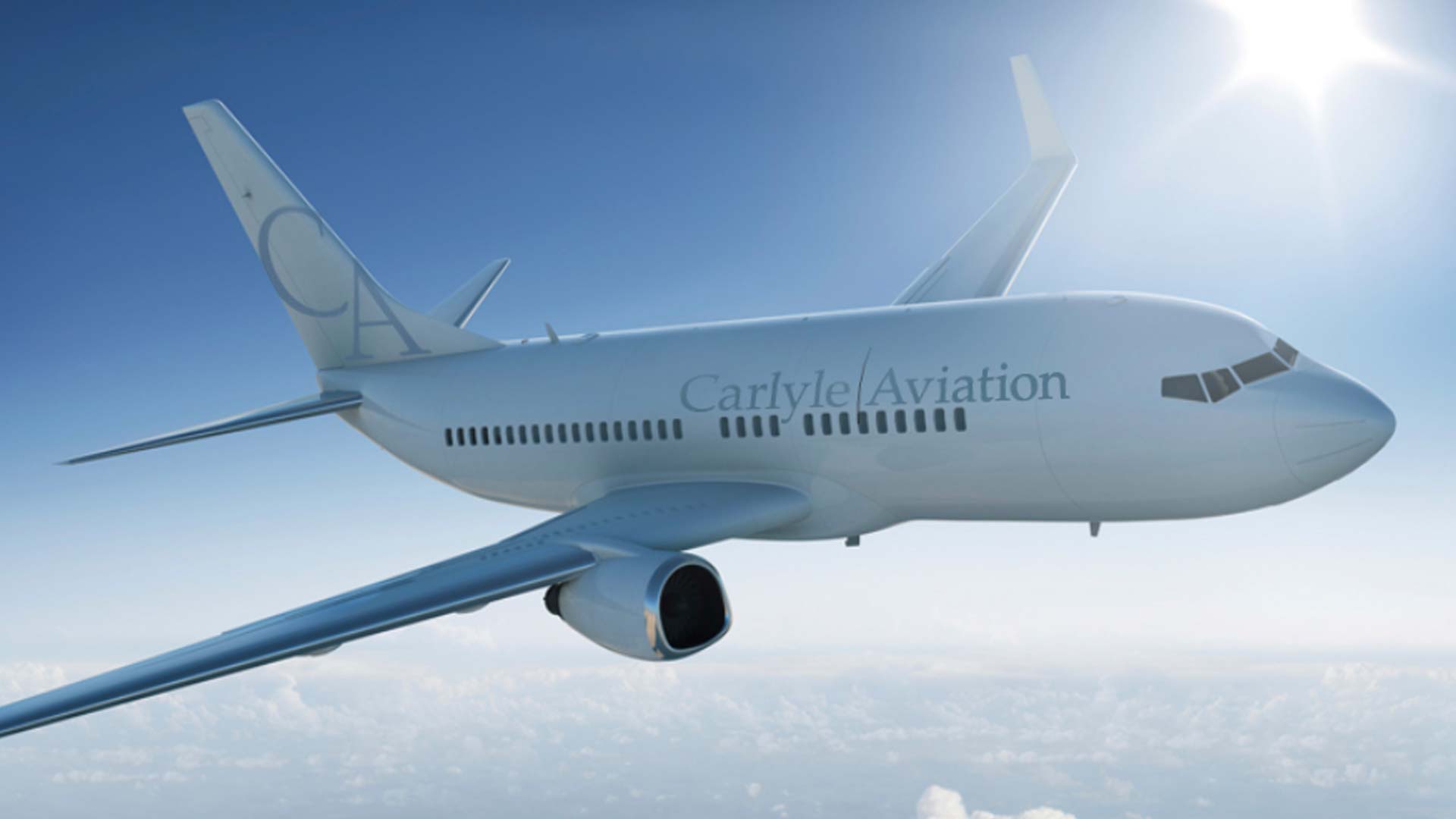
Carlyle Aviation Partners is seeking a resolution to an ongoing dispute with Air Senegal. The airline has failed to pay lease rentals for four aircraft leased from the US lessor, with it owing around $8.5 million.
A spokesperson for Carlyle said in a statement: “For more than a year, Air Senegal has repeatedly breached the terms of its lease agreements in relation to four aircraft leased to the airline by Carlyle Aviation Partners, including non-payment of rent. Air Senegal is currently more than $8 million in arrears.”
Air Senegal has been leasing two A319s and two A321 jets from Carlyle since 2018 – the same year Air Senegal commenced flight operations under CEO Philippe Bohn, who was formerly head of Africa and senior vice president of Airbus Philippe Bohn as its CEO.
Recently, Carlyle turned to the Commercial Court of Dakar to order the airline to return the jets and obtained an order in early April authorizing Carlyle to seize the aircraft. Air Senegal has refused service of such order, and the duly appointed bailiff tasked with enforcing the order has been repeatedly denied airside access.
The Senegal government changed last year underneath the country’s fifth president Bassirou Diomaye Faye, who assumed control in April 2024 succeeding Macky Sall who had been in office since 2012. Only a few months later, the Republic of Senegal flag carrier dismissed its CEO Alioune Badara Fall in August and was succeeded by Tidiane Ndiaye.
“One of our leases expired last October and they refused to return the plane,” explained Carlyle vice chairman and cofounder Robert Korn to Airline Economics . “Air Senegal said they want to buy it and we’ve had meetings with the government, but they haven’t bought it – they haven’t paid”.
The current accumulation of arears by Air Senegal follows a similar episode in August 2024, when Carlyle was owed around $10 million and had to order the four aircraft it was leasing to the airline to be grounded due Air Senegal failing to pay its lease rentals, with the lessor owed around $10 million.
“We had to stop all the airplanes with a court order… that was the only reason they paid,” said Korn. “We’re almost back in the same situation where we’re trying to seize our airplanes. They owe us nearly $8.5 million.”
Carlyle has requested the advice of Aviation Working Group (AWG). Air Senegal appointed law firm Clyde & Co, which was viewed as a positive step for Carlyle Aviation, however the law firm continued to characterise the issue as a dispute even though as Carlyle says there is nothing disputable in the lease contract.
It is understood that the airline has been resistant to constructive negotiations, instead insisting on returning the aircraft without meeting its return conditions requirements or paying amounts due and payable under the lease agreements. Additionally, the airline has offered to purchase the A319s, though at a lower price initially negotiated due to the deteriorating condition of the airplanes. According to Airline Economics+ data, one A319 is in storage. Korn said there is potentially a second aircraft in storage too.
Carlyle’s spokesperson said it has, “ proactively and patiently engaged with the airline to find a solution but given Air Senegal’s financial distress and unwillingness to honour its contracted obligations under the lease agreements, no solution has yet been forthcoming.”
In addition, the company’s spokesperson said the airline is “unlawfully retaining possession” of the four aircraft.
Airline Economics has contacted Air Senegal for comment.
Air Senegal agreed to lease five A220-300s from Macquarie AirFinance in 2021 from its orderbook. The airline had struggled with the jets lack of availability and the type’s issues with the geared turbofan (GTF) engine, and said in February 2023 it was giving up the lease agreement, instead opting to secure a different aircraft type. The airline signed a memorandum of understanding (MoU) for eight A220-300s at the end of 2019, but had opted to convert them into A321neos.
Additionally, the airline mandated aircraft trading, remarketing, and management company Blueberry Aviation to remarket its only two ATR72-600s in February last year, exiting its turboprops.
Local media reported last month that the airline completed its wet leasing agreement with GetJet Airlines for the A320-200 aircraft, which was returned to Lithuania at the end of April. The aircraft had propped up the airline’s capacity during the winter season, but the reduction in its fleet had put further strain on the airline as it contended with its financial difficulties.