

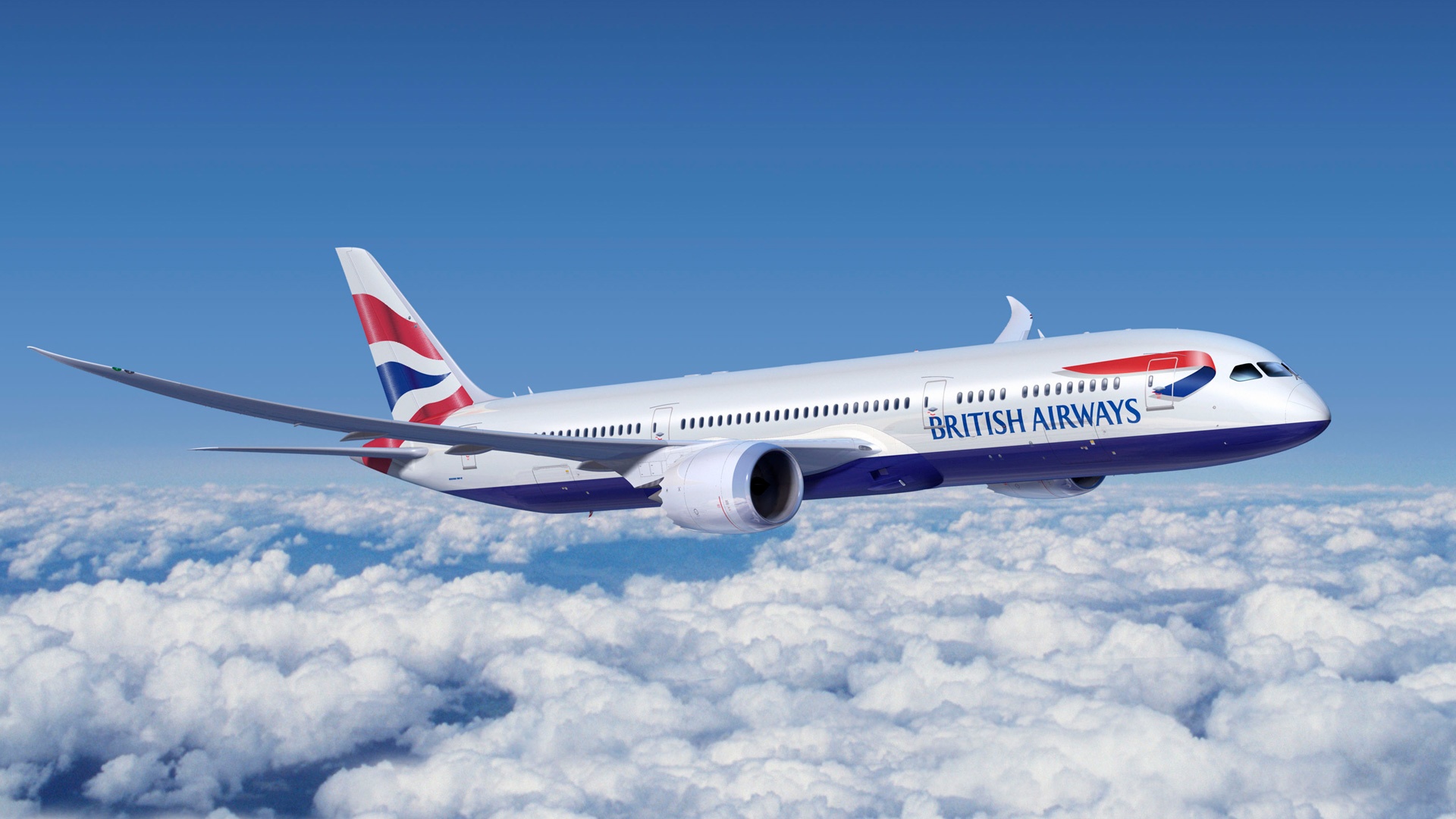
International Airlines Group (IAG) detailed a deal for 53 new long-haul aircraft with both Airbus and Boeing on May 9, 2025. In addition, the airline group disclosed that it exercised options for a further 18 aircraft with both OEMs in March, bringing the total aircraft ordered to 71.
The 53 aircraft order comprises 32 787-10 aircraft powered by GEnx engines for British Airways, as well as 21 A330-900neo aircraft powered by Trent 7000 engines, which can be deployed for Aer Lingus, Iberia, or LEVEL. The list price for each A330-900neo is approximately $374 million and $397 million for each as of January 2025, though IAG said it negotiated a “substantial discount” from list price.
The order is for both growth and replacement with 18 aircraft allocated for growth and the remaining 35 will replace existing aircraft, including replacing short-term leases for LEVEL. Deliveries are between 2028 and 2033. The tender for the order began last year, management said.
The deal includes options for an additional 10 787s for British Airways, as well as an additional 13 A330-900neo aircraft for IAG. The exercised aircraft order consists of six A350-900s for Iberia, as well as six A350-1000s and six 777-9s for British Airlines. These aircraft will be delivered between 2027 and 2030.
The order announcement follows a UK-US trade deal yesterday, which agreed to scrap tariffs on Rolls-Royce engines. At the time, US secretary of commerce Howard Lutnick had teased the large Boeing purchase.
During the company’s earnings call, IAG CEO Luis Gallego said the company welcomed the framework agreement.
“We don’t like tariffs and we consider that tariff free aviation and supply chain have helped to develop aviation… But it’s good news that we are not going to have tariffs in Boeing products, and we will continue working with the government to see if we expand this to all the supply chain,” said Gallego.
However, with the Boeing aircraft powered by GE engines, a US engine manufacturer, they would not have been subject to tariffs prior to the deal.
The order comes as the company reported a strong start to the year with operating profits climbing €130 million to €198 million.
Additionally, the company’s total revenues climbed 9.6% during the quarter to €7bn. Operation expenses was up slightly to €6.8bn, compared to €6.4bn in the first quarter last year. The company’s profit after tax totalled €176 million, swinging sharply from a loss of €4 million.
Despite the economic uncertainties, the company’s management said during its earnings call that it continues to see “good demand” in its outlook for the year, maintaining its full year outlook. “We are seeing strong demand in Latin America and Europe, while demand across the northern Atlantic is robust,” said Gallego. “Trends in the premium cabin is mitigating some recently seen softness in the US point of sale for economic leisure travel.” Capacity for the full year is expected to grow 3.4%.
Gallego added that the company was “encouraged” by bookings for the second quarter, though visibility the second half is limited.
British Airways revenues were up 5.5% to £3.2bn. Operating result was up £86 million to £96 million. The company’s management said the strong results come despite the closure of its hub Heathrow Airport during a power outage on March 21. The closure is estimated to have cost the airline around €50 million.
Aer Lingus revenues were up 13.5% to €438 million. The airline’s operating loss narrowed by €27 million to €55 million.
Iberia recorded a 15.3% increase in revenues, totalling €1.8bn, while operating profit increased €67 million to €137 million.
Vueling’s results improved its operating loss by €30 million to €55 million, though revenues fell 4.1% to €567 million.
The company’s loyalty revenues were up 1.3% to €526 million, while operating profit fell slightly by €4 million to €88 million. The company’s overall capacity was up 3.2%. Aer Lingus, British Airways, Iberia, Vueling’s capacity was up 5.4%, 1.3%, 5.6%, and 3.3%, respectively.
IAG declared a final dividend of €0.06 per share.
The company ended the quarter with a total liquidity of €12.4bn, along with a net debt of €6.1bn. IAG’s net debt to EBITDA before exceptional items was 0.9x.