

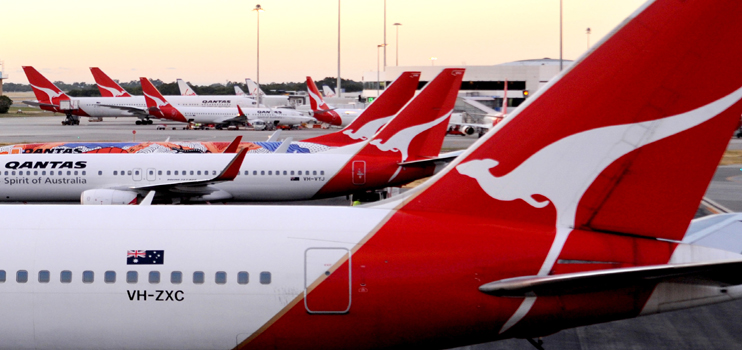
The Australian Competition & Consumer Commission (ACCC) said reduced competition and strong demand has driven “significant earnings” for Australia's two largest airlines: Qantas and Virgin Australia.
While Virgin Australia does not publicly disclose its half-year results, the ACCC noted that the airline's then CEO Jayne Hrdlicka said in February that the airline had achieved “record profits” in the first half of the current financial year, following its post-administration restructure under Bain Capital.
Qantas Group reported earnings before interest and taxes (EBIT) of AU$1.5bn ($1bn) for the first half of 2024-25 period. The competition body said AU$916 million ($613.7 million) came from its domestic operations across both Qantas and its low-cost subsidiary Jetstar.
Qantas' domestic earnings, including QantasLink, contributed to the highest share of the group's earnings at AU$647 million ($433.5 million), the authority said.
“Much of this can be attributed to the airline's dominance in the corporate travel market — Qantas Group had an 80% share of the corporate travel market over the reporting period, coinciding with a resurgence in demand,” the ACCC read in a statement.
ACCC Commissioner Anna Brakey said the half-year results reflect the “dominance” of the Qantas group in the Australian domestic sector, accounting for over 60%. With the exit of Tigerair in 2020 and the collapse of Bonza in April 2024, Jetstar Domestic has become the sole low-cost carrier in Australia.
“Jetstar has been able to capitalise on the continued absence of competitive pressure from another low-cost carrier in the domestic market to increase its market share and operating margin,” said Brakey.
The report noted that airlines and airports in the region were expecting a “significant increase in travellers” in April with the holidays taking place that month. April's passenger data for Australia is not yet available. Severe weather had disrupted travel in the previous month, with passenger numbers declining 4.9% compared to March 2024.
Additionally, the report noted that the average airfare increased 9.6% from January through March 2025. However, this follows a 16.1% decline from October 2024 through January. The airfares largely reflect seasonal patterns, consistent with previous years.