

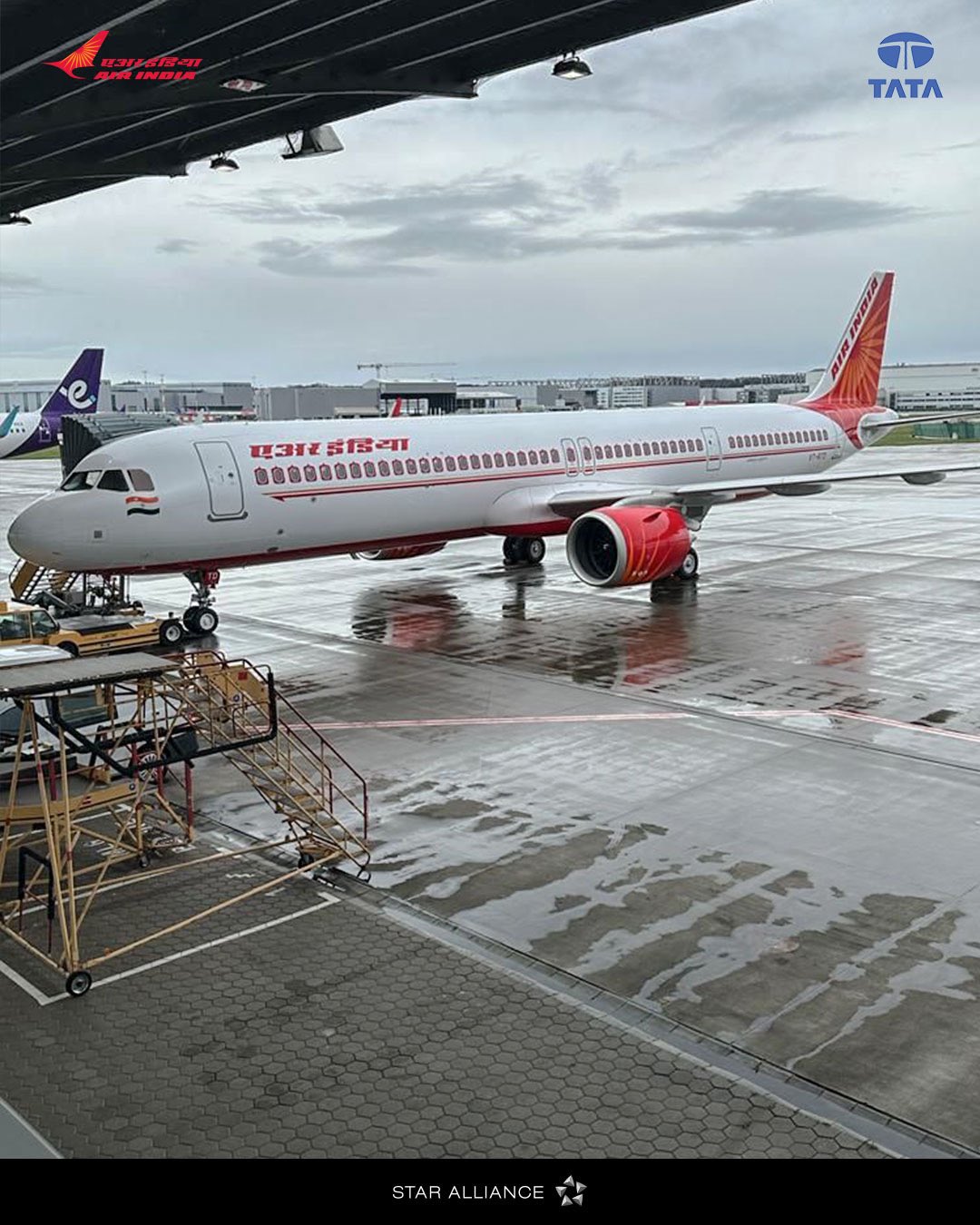
Air India chief executive and managing director Campbell Wilson has resigned, describing his departure as a “natural juncture” for the airline as it enters its next phase of growth, according to India-based broadcaster NDTV.
The airline confirmed the move on Tuesday, stating that a committee has been formed to identify Wilson’s successor in the coming months. Wilson will remain in his role until a replacement is appointed to ensure a smooth transition.
Wilson, a New Zealand national, took over as CEO in 2022 following Air India’s return to private ownership under the Tata Group, a conglomerate. His tenure has coincided with a critical period in the airline’s restructuring, as it sought to modernise operations and reposition itself as a global carrier after decades under state control.
Planned to leave in 2024
According to NDTV, Wilson had already indicated his intention to step down in 2026, informing chairman N Chandrasekaran of his plans in 2024. In an internal letter to employees, he said the timing reflected a natural handover point ahead of the airline’s next growth phase, particularly as deliveries from its nearly 600-aircraft orderbook are expected to accelerate from 2027.
During his leadership, Air India undertook a wide-ranging transformation programme. This included the addition of around 100 aircraft to the fleet, upgrades to service standards, and the near completion of interior refits for legacy narrowbody aircraft. Deliveries of widebody aircraft featuring new interiors have also begun.
However, the transition has faced significant challenges. Efforts to modernise the fleet and integrate operations have been affected by supply chain disruptions, aircraft delivery delays and rising costs. A major setback came in June 2025 with the crash of Air India Flight 171, a Boeing 787-8 Dreamliner bound for London, which crashed shortly after take-off from Ahmedabad, killing all but one of the 242 people on board as well as 19 people on the ground.
Air India, one of the world’s oldest carriers with nearly a century of history, has been navigating a complex transition under Tata Group ownership. The group now operates two brands: full-service carrier Air India and low-cost unit Air India Express.
In his message to staff, Wilson said the airline had made significant progress but that “the time is right” to hand over leadership as it prepares for its next stage of expansion. He added that the commitment of employees had been a highlight of his career and expressed confidence in the airline’s future trajectory.
Alongside leadership changes, Air India is also responding to rising fuel costs with adjustments to its pricing structure.
New fuel surcharge
The airline said it will introduce a new distance-based fuel surcharge on domestic routes from April 8, replacing a flat surcharge. The revised charges range from INR 299 per passenger for sectors up to 500 kilometres, increasing to INR 899 for flights exceeding 2,000 kilometres. The move follows a decision by Indian authorities to cap domestic aviation turbine fuel (ATF) price increases at 25%.
On international routes, where no such cap applies, Air India will implement higher surcharges reflecting the sharp rise in fuel costs. According to data from the International Air Transport Association, global jet fuel prices rose to $195.19 per barrel for the week ending March 27, up from $99.40 at the end of February.
Under the revised structure, fuel surcharges will range from $24 per passenger on certain South Asian routes to $280 on long-haul services to North America and Australia. Flights to Europe, including the United Kingdom, will carry a surcharge of $205.
The airline said the revised charges do not fully offset the increase in fuel costs and that it continues to absorb a significant portion of the impact. It added that surcharges will be reviewed periodically as market conditions evolve.
The pricing changes come as airlines globally face one of the most challenging fuel cost environments in recent years, with both crude oil prices and refining margins rising sharply.
Air India said tickets issued before the introduction of the new surcharges will not be affected unless customers make changes requiring a fare recalculation.